

Questions Catholics Ask

| ➕ | ➕

More questions...and responses

What does the Bible say about discipleship?

Posted by: Patrice Tuohy 🕔 Tuesday 04, August 2026 Categories: Scripture,Vocation and Discernment
Discipleship vocation calling
Jesus teaches his disciples

Ah, here's a word we should be asking about! Discipleship means "student," from the Latin discipulus. But that's deceptive: Today's student doesn't have to crack a book to qualify-just show up. That never would have flown in ancient times, when disciples lived with their teachers night and day and imitated their actions as well as listening to their words.

Discipleship has a wonderful evolving meaning between the two Testaments. Originally it described Israel's relationship with God. The Lord was the nation's ultimate teacher through the instructive power of the Law. The psalms frequently record Israel's pleading: "O Lord, teach me your ways!" Because God dwelt in the midst of the nation in the Jerusalem Temple, the people did share quarters with their Teacher.

Later, the prophets had protégés of their own: Elijah with Elisha or the school that added to Isaiah's writings. The sages of the later Wisdom tradition rooted instead for the domestic school: fathers teaching sons and mothers daughters. The Wisdom Woman, a personification of divine wisdom in Proverbs and the Book of Wisdom, called disciples to herself as well.

A natural progression existed between the roles of student and instructor. Disciples lived with their teachers until they were ready to become rabbis or prophets themselves. So it was startling when Jesus came along and made permanent disciples of his followers. "You have only one teacher and father in heaven," he told them. (Saint Paul later rejected the idea that Christians could "belong to" anyone but Jesus.) That harked back to the early design of God being the nation's sole instructor.

Another distinguishing feature of Jesus' disciples is that he chose them, not the other way around. Jewish disciples generally picked their own rabbis, as you might choose a college or major for yourself today.

Perhaps the most intriguing part of Jesus' invitation to discipleship was that it took place in the ordinary context of life-a fisherman's workday-not in a religious setting like the Temple. It required an immediate response. Discipleship then deepened "along the way" with Jesus, as the past with its possessions and priorities were gradually relinquished in favor of a radically new life.

—Adapted from a Questions Catholics Ask by Alice Camille,
courtesy of Prepare the Word, published by TrueQuest Communications


Websites:

Scripture
Deuteronomy 4:1; Psalm 25:4-5; Proverbs 1:20-33; Ecclesiastes 12:9; Isaiah 2:3; 48:17-19; Matthew 4:18-22; 23:8-9; Mark 8:34; Luke 10:1-20; 1 Corinthians 1:10-17

Books
To Live in Christ: Discipleship
, by Robert Fabing, S.J. (Paulist Press)
Can You Drink the Cup? by Henri Nouwen (Ave Maria Press)


Reprinted with permission from PrepareTheWord.com. ©TrueQuest Communications.

Site:  0 comments  -  Add your own comment  -  Follow my posts  -  Permalink Tags:
Facebook:
Comments  

What are the differences between Franciscan communities?

Posted by: Patrice Tuohy 🕔 Friday 01, May 2026 Categories: Church History,Consecrated Life,Clergy
St. Francis and St. Clare
Saint Franics and Saint Clare

The Franciscans, one of the four great mendicant orders of the church, have a long history, beginning with the lives of Saint Francis of Assisi (d. 1226) and Saint Clare of Assisi (d. 1253). Over the years many Franciscan religious communities have emerged within Catholicism and beyond. In addition many people have incorporated the spirit and values of Franciscan spirituality into their own ways of life. While there’s no way to cover all aspects of the Franciscan Family, we can make some general distinctions.

The main categories of Franciscans are the three Franciscan orders:

The first order is the Order of Friars Minor which is comprised of the Observants, Conventuals, and tCapuchins. The Observants (O.F.M.) and the Conventuals (O.F.M. Conv.) were the Franciscans of Francis’s day and later to this day. The Observants were friars who typically lived in hermitages tucked into the mountains. They went through several reforms and a series of splits with the last major consolidation and restructuring initiated by Pope Leo in 1897. Conventuals were friars who felt called to follow Francis by serving people in urban areas. These friars ministered and lived together in houses (or “convents”) among the people. The Capuchins (O.F.M. Cap.) were a reform of Franciscanism in the 16th century spearheaded by Friar Matteo da Bascio who felt called to go back to a more rigorous way of Franciscan life that he saw in Saint Francis.

The second order of Franciscans are the Poor Clare nuns, communities of contemplative women founded by or in the spirit of Saint Clare of Assisi along with her good friend Francis. The O.S.C. Poor Clares follow the rule approved by Pope Urban in 1263 that allowed convents to own property and live a less severe vow of poverty. The P.C.C., or Colettine, Poor Clares follow a stricter rule of poverty, fasting, and silence instituted by St. Colette in 14`0.

The third order of Franciscans is diverse, comprising religious Franciscans (Third Order Regular), who profess public vows and live in community, and lay Franciscans (Secular Franciscan Order), single and married men and women who live a Franciscan lifestyle in their own situations and lives.

Within the above orders, you will find even more diversity of customs and traditions unique to each individual Franciscan community.

So what’s a person to do if they are attracted to the Franciscan way of life? The best advice is to get out there and explore different communities, meet friars, sisters, or nuns, and allow yourself to envision your life with them. Can you see yourself in their shoes or sandals? Also read and experience more of the lives of Francis and Clare and other Franciscan saints and holy people. In their stories you will find pieces of your own which will help you to discern and know which Franciscan community feels most at home to you.

—Adapted from a Questions Catholics Ask by Sr. Julie Vieira, I.H.M.,
courtesy of Prepare the Word, published by TrueQuest Communications


Websites:


Reprinted with permission from PrepareTheWord.com. ©TrueQuest Communications.

What is the Just War Theory?

Posted by: Patrice Tuohy 🕔 Monday 20, April 2026 Categories: Doctrines & Beliefs,Church History,Scripture
Just War Theory
Just war theory offers eight criteria for engagement.

Begin with the Christian premise that obliges us toward peace and against war. Just war theory is the body of moral reasoning developed to discern when the primary bias against war may shift toward an obligation to protect and defend. History proves there are times when violence can't be avoided and must be engaged. Just war theory insists that war can never serve a political or economic purpose. Military action must serve a fundamentally moral purpose. Both societies and individuals are accountable for the decision to fight and must soberly consider why they do.

The first principle of just war tradition, then, defines war as a moral issue. The second holds that even a just war can't be engaged without limits or restraints. Theologian Paul Wadell notes that even a legitimate war is an occasion to be mourned, not celebrated. The duty not to harm or injure another is "intrinsically binding" for Christians. Acts of violence even during wartime are to be avoided when possible and limited when necessary, to protect the innocent and to restore justice.

In the early church, pacifism preceded just war tradition. Until Constantine's reign in the fourth century, soldiers who became Christians laid down their arms. Pacifism was necessary for two reasons: because military service involved idolatry toward the emperor, and because killing was a direct violation of the command of Jesus to love your enemy. The alliance of church with state under Constantine ensured that church policy leaned toward supporting the interests of the empire. Christianity's original pacifism wavered. Fourth-century theologians Ambrose and Augustine developed arguments that could, under limited conditions, make war not only permissible but obligatory in the service of a victimized neighbor. Augustine particularly emphasized that a sinful world often presents no perfect solutions to unjust situations.

Just war theory offers eight criteria for engagement. Seven determine whether a conflict is justified, including: just cause, competent authority, last resort, comparative justice, proportionality, right intention, and probability of success. The eighth consideration is reserved for an inevitable engagement and involves right conduct in wartime. In his 2020 encyclical Fratelli tutti, Pope Francis urged us to consider that “it is very difficult nowadays to invoke the rational criteria elaborated in earlier centuries to speak of the possibility of a ‘just war.’ Never again war!” Clearly, it's never enough simply to declare a cause righteous in one's own mind and issue a call to arms.

—Adapted from a Questions Catholics Ask by Alice Camille in Prepare the Word, pubished by TrueQuest Communications
 

References

Isaiah 9:5-6; 11:1-9; 57:19; Jeremiah 6:14; 8:11; Matthew 5:9, 21-26, 38-48; Luke 6:27-36

The Challenge of Peace: God's Promise and Our Response by USCCB, 1983

Catechism of the Catholic Church on Safeguarding peace (2302-2317)

Cathechism of the Catholic Church Handout on Just War Theory 


Reprinted with permission from PrepareTheWord.com. ©TrueQuest Communications.

What is the Catholic Lectionary?

Posted by: Patrice Tuohy 🕔 Wednesday 08, April 2026 Categories: Scripture,Liturgy
Scripture bible readings at Catholci mass
The purpose of the lectionaries is to provide breadth: Catholics can hear a fairly broad amount of scripture in a few years' time. 

If you attend Mass regularly you'll notice certain books hold prominence of place in the gathering. These over-large and often decorated volumes contain Bible passages appointed for public reading by trained readers (lectors) and are called lectionaries, one for Sunday and one for Weekdays.

Each lectionary organizes readings according to the feasts and seasons of the church year. In this way we hear about the birth of Jesus at Christmas, the Passion during Holy Week, the ministry of Jesus during other times of the year, and so on. The Sunday lectionary contains three years' worth of readings:

—Cycle A follows Matthew's gospel with Old Testament passages chosen to parallel its themes.

—Cycle B is organized around Mark's gospel—although Mark is so short that John's gospel supplements the year.

—Cycle C coordinates Luke's gospel with Old Testament readings.

The Gospel of John isn't slighted; it's used in all three years for special feasts when thematically appropriate.

In between the Old Testament and gospel readings on Sundays, an additional New Testament passage is selected from a letter of Saint Paul or another apostle and read continuously across the Sundays until it's finished. During the Easter season the Old Testament reading is replaced by a passage from the Acts of the Apostles or the Book of Revelation.

The weekday lectionary runs in a two-year cycle (Years I and II) pairing gospel passages with continuous readings from Old or New Testament books. Saints' days have their own appropriately chosen optional readings, and an additional lectionary has passages suitable for baptisms, weddings, funerals, and other occasions.

The purpose of the lectionaries is to provide breadth: Catholics can hear a fairly broad amount of scripture in a few years' time. Not every Bible verse is covered by the lectionary, but a surprisingly comprehensive reading can be achieved by the daily Mass-goer.

Another practical reason for lectionaries is that they save time: The preacher doesn't have to scramble looking for passages on forgiveness for every Rite of Reconciliation, for example. Finally, it keeps preachers honest: They can't default to their favorite themes but must treat scripture in its fullness.

Lectionaries have existed in one form or another since Christianity's Jewish roots in the synagogue. These tools have proven the test of time.

—By Alice Camille
(adapted from a previously published answer)

Scripture
Nehemiah 8:1-12; Psalm 119; Luke 4:16-21; Hebrews 4:12; James 1:19-21

Website
The New American Bible organized by daily lectionary readings


Reprinted with permission from PrepareTheWord.com. ©TrueQuest Communications.

Site:  0 comments  -  Add your own comment  -  Follow my posts  -  Permalink Tags: scripturebible
Facebook:
Comments  

What is the Stabat Mater?

Posted by: Patrice Tuohy 🕔 Saturday 04, April 2026 Categories: Church History,Liturgy,Prayer and Spirituality
Stabat Mater Dolorosa
Most of us know the Stabat Mater because it's widely sung during the Stations of the Cross. 

Known as the Stabat Mater Dolorosa ("The Sorrowful Mother Stood"), this medieval hymn is referenced as early as 1388. It was utilized as a liturgical sequence at Mass until the Council of Trent (1545-1563) suppressed this usage along with hundreds of other sequences. It returned to the Roman Missal in 1727 and was recommended for the Memorial of Our Lady of Sorrows on September 15. Most of us know it because it's widely sung during the Stations of the Cross. Yet its authorship is uncertain.

Among those proposed as the composer of the Stabat Mater was Saint Bonaventure (1221-1274), a doctor of the church. Since the Stations of the Cross were a Franciscan invention [see article "Where do the Stations of the Cross come from?"], it seemed plausible that an eloquent Franciscan might be its author. Pope Innocent III, who gave authorization to Francis of Assisi to begin his order, was also proposed as the writer, with less evidence. One of the Popes Gregory (just which one remains unspecified) and Pope John XXII have likewise been asserted by various period writers as composers of Stabat Mater. These speculations are no better than hearsay.

The most popular contestant was Jacopone da Todi (ca. 1230-1306), a Franciscan brother. Jacopone joined the Franciscans after the sudden loss of his wife in an accident. He was a poet and dramatist known for the composition of many laudi—religious songs and poems—as well as theatrical presentations of the gospel. 

Unhappily, Jacopone got swept up in a Franciscan controversy. After the death of Francis, many of his order were keen to relax the rule of absolute poverty. As Franciscans became more involved in apostolic work, some preferred to follow other religious orders in the acquisition of land and housing. A "Spirituals" faction, meanwhile, were repulsed by what they viewed as a sell-out of their ideal. The Spirituals broke from the order, and were excommunicated by Pope John XXII (a competitor with Jacopone as the source of Stabat Mater). Jacopone was imprisoned for writing poems criticizing his opponents—including the pope. A later pope freed him, and the Franciscans reclaimed Jacopone's body after death. These days Jacopone hovers near sainthood. But his penning of the Stabat Mater was thrown into question when a predated copy was found in the prayerbook of some 13th-century Dominican nuns.

Whoever wrote it, the Stabat Mater has enjoyed more than 60 English translations. It's been set to music more than 50 times, including by Vivaldi, Haydn, Schubert, Liszt, Dvoršák, and Verdi—and more recently, by James MacMillan in 2015. 

Scriptures: Luke 2:33-35; John 19:25-27

E-Resource: The Ultimate Stabat Mater Website - It compares multiple translations of the ancient hymn line by line.  

—By Alice Camille
(adapted from a previously published answer)


Reprinted with permission from PrepareTheWord.com. ©TrueQuest Communications.

Why is being celibate important in consectrated life?

Posted by: Patrice Tuohy 🕔 Wednesday 11, March 2026 Categories: Doctrines & Beliefs,Consecrated Life,Church History
heart with cross and rays
Celibacy: A focused heart

Celibacy was a radical idea from the moment it first appeared in our religious tradition. The setting was the 6th-century B.C. The prophet Jeremiah and his community were facing the devastating exile to Babylon, which included the loss of home, city, king, and Temple. In the midst of total upheaval, God asked Jeremiah not to marry or have children. That was a prophetic sign that the world as Israel knew it had no future. In a culture that valued the posterity of heirs so highly, Jeremiah’s celibacy was an outrageous choice.

The radical sign of celibacy, what the church calls the memento mori in Latin ("reminder of death”) remains central to the practice of celibacy in religious life today. The affairs of this world are passing, while the realities of the reign of God are everlasting. The celibate lifestyle is a walking testimony to this belief eschewing vain pursuits and focusing on deeper truths. Jesus taught that when he told the disciples, “Some . . . have renounced marriage for the sake of the kingdom of heaven. Whoever can accept this ought to accept it” (Matthew 19:12). The church points to the example of both Jesus and his Virgin Mother as eloquent witnesses to the single-minded dedication to God’s reign that is possible without other primary commitments.

Saint Paul also extolled celibacy (his own life is Exhibit A in his argument) but did not mandate it. Paul believed that, all things being equal, the virgin and the celibate were free from preoccupation with family matters and can therefore be more attentive to the Lord, especially because he thought the end of the world was near. Theologians rush to add that all things are frequently not equal: a married person may certainly be more attentive to God than a given celibate.

What is clear from these discussions is that the point of celibacy is not refraining from sexual activity (the typical secular assumption) but simplifying and clarifying one’s life for single-hearted service. Celibacy remains a radical incarnation of Christian freedom to move as God wills.

—By Alice Camille
(adapted from a previously published answer)

Scripture
Jeremiah 16:1-2; Matthew 19:10-12; 1 Corinthians 7:1-40


Reprinted with permission from PrepareTheWord.com. ©TrueQuest Communications.

What are the origins of Lent?

Posted by: Patrice Tuohy 🕔 Thursday 05, February 2026 Categories: Doctrines & Beliefs,Church History,Prayer and Spirituality
Ashes Cross candle Lent
The entire church year spins on the axis of Easter. Lent is the "springtime of faith.". (photo: 123rf) 

The celebration of Lent is a long-established tradition in the church.The prayers of the liturgy refer to Lent as “this joyful season.” Though the character of the season is penitential, the intent of Lent is to prepare our dispositions for the greatest feast of the church year, the always-jubilant Easter. With all that to look forward to, Lent could hardly be a mournful time.

So where did Lent come from? Let’s start by saying that Christianity embraces one key belief: the resurrection of Jesus Christ from the dead. This central article of faith shapes everything we do as Christians, how we live and die, and certainly how we express our faith in worship. Easter is therefore the primary day of rejoicing. Every Sunday is considered a “little Easter,” a commemoration of how Jesus triumphed over sin and death through the power of God for the sake of humanity’s emancipation from those ancient twin evils that bound it. The entire church year spins on the axis of Easter faith.

In the first three centuries of the church Christians prepared for this mother-of-all-feasts by fasting—between two days to a week depending on local custom. In Rome the “paschal fast” may have lasted as long as three weeks. This extended fast was linked to the preparation of new members for baptism at the Easter Vigil.

By the 4th century a full 40-day period of preparation was observed, imitating the 40-day fast of Jesus in the desert before undertaking his great mission. Fasting and prayer were natural components of the season because that’s how Jesus prepared himself. Almsgiving was added to the practices of Lent as it, too, was a traditional way of making sacrifice to God in the wake of sinfulness.

Following a calendar of feasts and seasons dependent on one’s faith is an idea rooted in Judaism. The Law of Moses established fixed times annually to recall the saving actions of God, centered on the commemoration of Passover. A liturgical calendar allowed Israel to practice gratitude and thanks, repentance and conversion, each in accord with the natural seasons, rains, and harvests. A cycle of liturgy also provided a way to instruct new generations about the faith in ritual and storytelling.

Easter, the Christian Passover, was fixed by the Council of Nicaea in 325 to coincide with the first full moon after the vernal equinox. That makes Lent the annual “springtime” of faith, quite literally, as the word Lent means "spring."

—By Alice Camille

Scripture
• Mark 1:12-13; Matthew 4:1-2; Luke 4:1-3; Leviticus 23


Reprinted with permission from PrepareTheWord.com. ©TrueQuest Communications.

Site:  0 comments  -  Add your own comment  -  Follow my posts  -  Permalink Tags: lenteasterash wednesday
Facebook:
Comments  

Do I need to read the Bible?

Posted by: Patrice Tuohy 🕔 Friday 30, January 2026 Categories: Scripture,Prayer and Spirituality
Bible reading
Bible reading: the most wonderful choice you can make for your life!

I hesitate to stamp Bible-reading as an obligation. We resist things that oblige us to do something, whether it's brushing our teeth or paying taxes. So let me speak not only as a catechist but also as a longtime Bible-reading Catholic: Don't do it because you have to. Do it because it's the most wonderful choice you can make for your life!

This will come as a relief to new Bible readers: If you attend Mass regularly, you're more familiar with the Bible than you imagine. The lectionary—the book of readings used at Mass—covers a cross section of passages from the Old and New Testaments.

As far as personal reading goes, the idea of opening to Genesis, page one, is probably what makes many people shrink from the idea. You don't have to read scripture cover-to-cover (though brave readers may enjoy the challenge). Some folks will appreciate support for the journey: Many parishes now sponsor Bible study or faith-sharing groups precisely for that reason. If private meditation works better for you, consider subscribing to a scripture journal that offers a daily guide through selected material.

You may also want to take baby steps: There are page-a-day books geared to the five-minute reflection approach that provide a great introduction for beginners. It's like taking a swim class: Sign up at the level that suits your present skill and go from there. No one expects you to dive in at the deep end!

The Bible is the Mount Everest of books; you won't conquer it at once, and it will take training to reach the exotic parts, like Maccabees or the Book of Revelation. But within a year you'll be surprised how much more comfortable and fit for the journey you are. Start today. "One does not live by bread alone, but by every word that comes from the mouth of God" (Matthew 4:4).

—By Alice Camille, reprinted with permission from TrueQuest Communications


Reprinted with permission from PrepareTheWord.com. ©TrueQuest Communications.

Site:  0 comments  -  Add your own comment  -  Follow my posts  -  Permalink Tags: lectionaryscripturebible
Facebook:
Comments  

What resources does VISION have for World Day of Prayer for Vocations?

Posted by: VISION Vocation Guide 🕔 Thursday 29, January 2026 Categories: Consecrated Life,Vocation and Discernment,Prayer and Spirituality
VISION Vocations resources
VISION offers many printed and downloadable resources along with all of its online content and features

VISION Vocation Network and its parent organization, the National Religious Vocation Conference, offer many great resources both for individuals discerning a vocation or for vocation promoters in parishes, schools, and campus ministry offices. We encourage you to take time to get familiar with the many features on our websites. 

Here are just a few quick links to get you started.

IN PRINT

The Annual VISION Religious Vocation Discernment Guide: Order here. Or read the digital edition.

Annual Prayer Card Bookmarks. Posters. Order here.


ONLINE

Articles on Prayer and Discernment and Religious Life

Spirituality Quiz

Celibacy Quiz

Vocation Match

Community Search

Vocations Basics handout | In Spanish | In French 

Vocation Prayers

Ways to Pray handout

Religious Life Timeline

Bold and Faithful: Meet Today's Religious storymap

NRVC store for additional vocation resources for vocation ministers


Reprinted with permission from PrepareTheWord.com. ©TrueQuest Communications.

Ambo, pulpit, lectern: What's the difference?

Posted by: Patrice Tuohy 🕔 Wednesday 01, October 2025 Categories: Church History,Liturgy
Ambo, pulpit, lectern, altar
Ambo and Altar, St. Sebastian in Eppelborn, Germany (Creative Commons)

Casually, they mean the same thing: the place from which readers read, cantors chant, and preachers preach. The original term for the whole thing was the Greek word ambo. When “church” evolved from being a name for the assembly to designate the special building where people gathered, architecture began to define the liturgical movements. Because the Mass comes in two parts, the Liturgy of the Word and of the Eucharist, the ambo was the place where the first part happened, and the altar was the stage for the second. The General Instruction on the Roman Missal eventually got quite specific: "From the ambo only the readings, the Responsorial Psalm, and the Easter Proclamation (Exsultet) are to be proclaimed; likewise it may be used for giving the Homily and for announcing the intentions of the Universal Prayer." 

We see the vestige of the ambo design in the semicircular part of the sanctuary that juts into the assembly. The ambo pulpit was first positioned there on an elevated platform. Two staircases led to it. The subdeacon ascended from the east and, facing the altar, proclaimed the epistle. The deacon ascended from the west, facing the people, and proclaimed the gospel. Because both readings were chanted, this front area also housed the choir and was part of what today would be called the “music ministry.” Preaching was normally done from the presider’s chair.

The ambo design imitated the mountain where Moses received the Law and Jesus offered his famous Sermon. From the 4th-12th centuries this configuration was popular, leading to developments such as two ambos: an eastern one dedicated to the epistle and a western one with a permanent candle used for the gospel. Less common was the double-decker ambo with a lower station for the epistle and higher one for the gospel.

The pulpit eventually replaced the old ambo. Less ornate in decoration, it was still elevated (pulpit, by the way, means “scaffold”). The pulpit was separated from the choir and used purely for proclamation, its exalted stage viewed as the "position of the perfect.” Even during the early ambo period, acoustics were poor from the chair so some sermons were delivered from the ambo. The pulpit supported this tradition and is now usually the name for the place from which priests and deacons read the gospel and give the homily.

The lectern is a humbler development: It’s a support for a book. It may denote the stand the priest uses to prop up the sacramentary at the altar. Today, ambo and lectern are often used interchangeably to refer to the place where the readings, psalm responses, and general intercessions are proclaimed. The pulpit is generally reserved for preaching and the gospel reading.

—By Alice Camille, updated. Originally posted in 2011.

Scripture
• 2 Chronicles 6:12-13; Nehemiah 8:3-5; Isaiah 40:9; Matthew 5:1-2

Online
• Built of Living Stones: Art, Architecture, and Worship, USCCB Committee on Divine Worship
• General Instruction on the Roman Missal

Books
• The House of God: Church Architecture, Style and History by Edward R. Norman (Norton/Thames and Hudson, 2005)
• Repitching the Tent: Reordering the Church Building for Worship and Mission by Richard Giles (Liturgical Press, 1999)


Reprinted with permission from PrepareTheWord.com. ©TrueQuest Communications.

Will my faith make me happy?

Posted by: Patrice Tuohy 🕔 Monday 01, September 2025 Categories: Doctrines & Beliefs,Scripture,Prayer and Spirituality
cross balloons happiness
Will my faith make me happy?

Happiness is the stick by which we tend to measure the success of our lives, isn’t it? Even Saint Augustine admitted, “We all want to live happily; in the whole human race there is no one who does not assent to this proposition.” Yet many people seem to think that happiness is an accident of birth, or tied to particular circumstances or acquisitions, or even a goal to be pursued in itself. Scripture teaches that happiness is not a goal; it is a gift. God offers this gift through the works of creation, and we discover it ultimately in coming to know the Creator behind it all.

The biblical idea of happiness is linked to the word beatitude (Latin for “bliss”). We think first of the Beatitudes Jesus offers in his Sermon on the Mount in Matthew. Often the primary word of each beatitude is translated as “blessed,” but a more literal rendering would be the cry, “Happy you!” The eight choices noted in Matthew’s list—including being just, pure of heart, merciful, a peacemaker—already find the chooser in a happy state. Because God is the source of human happiness, doing as God does automatically places us in the condition of bliss.

So the short answer to the question is: Happiness comes from living according to God’s will. Following God's will, in fact, is the only thing that does bring happiness; or as Saint Thomas Aquinas put it, “God alone satisfies.” It’s not for nothing that the word gospel literally means “good news.” Like any good news that comes to you, the gospel ought to make your day—or in this case, your lifespan and then some.

Saint Paul also lists joy as one of the nine fruits, or by-products, of the Holy Spirit. As Christians, we carry the Spirit’s joy within us, and one way to tell is how joyfully we experience our lives. Saint Francis de Sales went so far as to warn against giving in to excessive sadness because it was counter to the life of faith.

That doesn’t mean that sadness is never appropriate; as the Book of Ecclesiastes says, there’s a time for everything under heaven. But clinging to moods does mean that we miss opportunities to demonstrate to others that the news of Christianity is, in fact, as good as advertised.

—By Alice Camille, reprinted with permission from TrueQuest Communications


Scripture

Ecclesiastes 3:1-11; Matthew 5:3-11; Galatians 5:22-23

Books 

Five for Sorrow, Ten for Joy by Rumer Godden (Loyola Press)

Surprised by Joy by C.S. Lewis (Harcourt Brace)


Reprinted with permission from PrepareTheWord.com. ©TrueQuest Communications.

Site:  0 comments  -  Add your own comment  -  Follow my posts  -  Permalink Tags: joyfaithbeatitudeshappiness
Facebook:
Comments  

What is the magisterium?

Posted by: VISION Vocation Guide 🕔 Thursday 01, May 2025 Categories: Doctrines & Beliefs
Vatican painting by Franklin McMahon
Vatican assembly of church leaders (Wiki commons; painting by Franklin McMahon)

For Roman Catholics the unity of the church is one of its greatest possessions and that includes its teaching authority, or magisterium. We don’t go it alone as Rambo-style disciples. We are church, all of us together. The great unity prayer of Jesus at the Last Supper reveals his concern that the church remains “one” in spirit and truth.

The institution of the church has many names and plays many roles in the lives of believers. The church is a mother, giving birth to faith through its preaching mission. The church is a servant, continuing the ministry of healing and the restoration of hope that Jesus practiced. And the church is a teacher, bringing the light of truth to every generation in matters of faith and morals.

Because the church’s precious unity depends on our profession of a common creed and a common understanding of the faith, Catholics rely on teachers to protect the coherence and integrity of the gospel message. Each bishop exercises the teaching authority in his diocese. He doesn’t act independently but in concert with the bishops of his nation or region, as our bishops do with the United States Conference of Catholic Bishops (USCCB).

In turn, each bishops' conference exercises its teaching role in keeping with the magisterium (teaching office) of the episcopal college—all bishops together throughout the world who meet in periodic synods to discuss contemporary concerns. The pope is the head of the episcopal college and can exercise the supreme teaching authority of the whole college.

In these ways the magisterium ensures that careful theological reflection, and not only reaction, remains at the root of the church’s message.

—By Alice Camille

Scripture
John 17:20-26; Mark 16:15; Matthew 28:18-20; 2 Timothy 2:2

Books
Creative Fidelity: Weighing and Interpreting Documents of the Magisterium by Francis A. Sullivan (Paulist Press, 1996)
Turning Points: Unlocking the Treasures of the Church by James Philipps (Twenty-Third Publications, 2006)
Magisterium: Teacher and Guardian of the Faith by Cardinal Avery Dulles (Sapientia Press, 2007)


Reprinted with permission from PrepareTheWord.com. ©TrueQuest Communications.


What is the Easter Duty?

Posted by: VISION Vocation Guide 🕔 Sunday 30, March 2025 Categories: Doctrines & Beliefs,Liturgy,Sacraments

The Easter duty

The Easter duty is again viewed properly as a minimal requirement rather than a recommendation.

The Easter duty has seen some flux in church tradition. The Eucharistic Precept, as it’s formally called in the list of Church Precepts, was conceived in the 6th century as a way to ensure that the Sacrament of Holy Communion wouldn’t be neglected by the faithful. Early church councils enforced regional versions of the precept, which in one form mandated receiving communion three times annually: at Christmas, Easter, and Pentecost.

The Fourth Lateran Council (1215) reduced the mandate to once annually at Easter time, widening its application to the whole church. The Council of Trent and the Code of Canon Law restated this obligation. Ironically, the attempt to safeguard reception of the Eucharist by insisting on minimal participation had the opposite effect. Clergy preached on the evils of taking communion in a sinful state a little too effectively. Churchgoers developed a fear of receiving the Eucharist “unworthily.” Many were convinced they could never be in the proper state of grace to merit the privilege. Add to that the phenomenon of what we might call “mortal-sin creep”: in the hands of a number of confessors, venial sins got an automatic upgrade to fatal status.

It wasn’t until the 20th-century arrival of Pope Pius X, “the pope of frequent communion,” that Catholics returned to the sacrament more regularly. The Easter duty is again viewed properly as a minimal requirement rather than a recommendation.

What hasn’t always been clear in the Easter duty is the definition of Easter. Technically Easter is not a day on the church calendar so much as an Octave (eight-days-long feast) contained within a seven-week celebration. The latest Code of Canon Law (1983) defines the fulfillment of the Easter duty to the time from Palm Sunday to Pentecost Sunday. This period, from Holy Week through the Easter Season, offers an eight-week window to meet the obligation.

However, in the United States, the Eucharistic Precept can be fulfilled from the First Sunday of Lent until Trinity Sunday. Lent adds an additional five weeks; the time from Pentecost to Trinity Sunday, another week. Altogether, this opens 14 weeks of the church year to fulfillment of the Easter duty.

Many Catholics are under the impression that the Easter duty also requires going to Confession. While receiving the Sacrament of Reconciliation annually is certainly a good idea, it’s not part of the requirement.

Scripture: Psalm 119 (In praise of precepts and instructions); Proverbs 1:2-7; 4:13; 8:33; 10:17; 23:23; Mark 14:22-24; Matthew 26:26-28; Luke 22:14-20; John 6:27, 34- 35, 48-59; Romans 15:4; 1 Corinthians 11:23-27; 14:26; 1 Timothy 1:5

Books: 101 Questions & Answers on the Eucharist, by Giles Dimock, OP (Paulist Press, 2006)

The General Councils: A History of the Twenty-One Church Councils from Nicaea to Vatican II, by Christopher Bellitto (Paulist Press, 2002)

—By Alice Camille


Reprinted with permission from PrepareTheWord.com. ©TrueQuest Communications.

Site:  0 comments  -  Add your own comment  -  Follow my posts  -  Permalink Tags: eucharisteasterliturgyseasons
Facebook:
Comments  

How can I live a holy life?

Posted by: VISION Vocation Guide 🕔 Wednesday 19, March 2025 Categories: Prayer and Spirituality
Vision blog holy life
What is holiness? Nothing less than the essence of God.

The pursuit of holiness isn’t an item guaranteed in the Constitution. But it is a quest worthy of our lives. What is holiness? Nothing less than the essence of God. The prophet Isaiah is the first to encounter God as the “Holy One,” which enables him to recognize his own unworthiness in God’s presence. The call “to be holy, as God is holy” issued in the Book of Leviticus means drawing even closer than Isaiah did, to unite with God utterly—to be as God is.

Intimidated? It’s a pretty challenging path. Yet it’s in keeping with everything else we seek as believers: wisdom, justice, peace, goodness, love. These are all aspects of God in which we are invited to take part. Why does God want us to share in the divine life? Because that’s who we really are and were created to be. Remember: We were first made in the image of God and later went astray; our quest for holiness is just a U-turn back to our original likeness.

So how do we get there from here? In the Old Testament, when called to be a holy nation, Israel is given the Law of Moses to assist in this new vocation. The law is understood not as simply a list of things to do or avoid doing but a lamp to illuminate God’s will. If our goal is to be like God, knowing God’s ways is essential.

Jesus provides his followers with a more compact instruction: Love God with all your heart, soul, mind, and strength, and love your neighbor as yourself. Love will teach us everything we need to know about being like God, for as Saint John says, “God is love.” Saint Paul also gives us a helpful rearview mirror in which to check our attempts at loving by telling us what love looks like in 1 Corinthians: “Love is patient, love is kind.”

Many of us don’t see ourselves donning a halo anytime soon. Even the canonized saints (“saint” comes from sanctus, Latin for “sacred” or “holy”) didn’t start out holy-card ready. But we don’t have to worry about that. The way to holiness is the work of love.

—By Alice Camille

Scripture
Exodus 19:6; Leviticus 19:2; Isaiah 6:1-7; Luke 10:27; 1 Corinthians 13:1-13;1 John 4:16

Websites
For more on saints: www.americancatholic.org/Features/Saints/faqs.asp; www.cin.org/saints.html; www.beliefnet.com/ep/patron-saints.asp.

Books

Holiness by William J. O’Malley, Maryknoll (Orbis Books)
Life and Holiness
by Thomas Merton (Doubleday)


Reprinted with permission from PrepareTheWord.com. ©TrueQuest Communications.

Site:  0 comments  -  Add your own comment  -  Follow my posts  -  Permalink Tags: discipleshipholysaintssacred
Facebook:
Comments  

Do we have to abstain from meat on Fridays during Lent?

Posted by: VISION Vocation Guide 🕔 Wednesday 05, March 2025 Categories: Doctrines & Beliefs,Prayer and Spirituality
Lenten fast
The practice of abstinence from meat is intended as a penitential practice.


As early as the 2nd century, the Didache notes the practice of abstaining from meat on all Fridays of the year as a penitential observance recalling the crucifixion. There is no corresponding insistence on eating fish. It was Pope Nicholas I (9th c.) who made this practice binding under pain of mortal sin—and not because his family owned a fish market, as is sometimes suggested. Pope Innocent III (12th c.) made an exception for when Christmas falls on a Friday.

Thomas Aquinas considered meat, milk, and eggs all foods that incite desire. Fasting and abstinence were meant to bridle "the concupiscences of the flesh, which regard pleasures of touch in connection with food and sex.” Vegans might find incidental common cause with this doctor of the church.

It wasn't until 1966 that Pope Paul VI advised local church officials to modify the abstinence rule as they saw fit. That same year, U.S. Bishops issued the Pastoral Statement On Penance And Abstinence allowing a substitution of some other form of penance in place of abstinence on all Fridays except for those that occur in Lent. However, persons in good health between the ages of 14 and 59 must abstain from meat (and items made with meat) on Ash Wednesday, Good Friday, and lenten Fridays.

Some bishops or pastors make exceptions for St. Patrick's and/or St. Joseph's Day when they fall on lenten Fridays. In 2012, the U.S. bishops reconsidered reinstituting abstinence for all Fridays of the year, but preferred to make it optional to abstain on Friday for the intentions of life, marriage, and religious liberty. In 2010 the bishop of New Orleans reclassified alligator as a non-meat item on the menu.

The practice of abstinence from meat is intended as a penitential practice. Obviously, if you're wild about fish, that may not be the best substitution with which to observe the sacrifice. While fish, lobster and other shellfish are not categorized as meat and can be consumed without violating abstinence, indulging in a seafood buffet isn't in the spirit of a penitential act.

—Alice Camille

Scripture: Pss. 69:11; 109:24; Isa 58:3-12; Dan 9:3; Joel 2:12-17; Neh 1:4; 9:1;             Tobit 12:8; Judith 4:13; Esther 4:3; 9:31; Matt 6:16-18; 9:14-15; Lk 2:37; Acts 13:2-3; 14:23

Books: The Origins of Feasts, Fasts, and Seasons in Early Christianity - Paul Bradshaw and Maxwell Johnson (Collegeville, MN: Liturgical Press, 2011)

The Spirituality of Fasting: Rediscovery of a Christian Practice - Charles M.Murphy (Notre Dame, IN: Ave Maria Press, 2010)


Reprinted with permission from PrepareTheWord.com. ©TrueQuest Communications.

How can I explain transubstantiation to others?

Posted by: Alice L. Camille 🕔 Wednesday 03, July 2024 Categories: Doctrines & Beliefs,Liturgy,Sacraments
Catholic Communion
Caption Here

First, you can say that we believe that the bread and wine at Mass become the body and blood of Christ. Then add your own experience of encountering Real Presence, because, frankly, theological terms never get to the heart of the matter. No one comes to Jesus by means of a word like this.

Why do we have this word? Medieval theologians sought to explain why our eyes see bread and wine, yet we claim Christ truly present. Peter Lombard described how the physical elements are transformed and only the “appearance” of bread and wine remain.

During the Protestant Reformation, Eucharist was hotly contested. Most Reformers viewed Eucharist as a memorial meal. In response, the Council of Trent defended an actual substantial change—transubstantiation—using Lombard’s interpretation. In other words: best not to define a mystery precisely, but allow God to work.

Twentieth-century theologians introduced two more words to the conversation. Transignification emphasizes changes in meanings rather than in form. Bread and wine normally mean nourishment. Consecrated bread and wine signify nourishment with Christ's life.

Transfinalization focuses on ultimate purpose or “finality.” Food and drink for the body gain a new goal as food for the spirit. Still, the most vital change remains what happens to us who receive it.

Scripture
• Matthew 26:26-29; Mark 14:22-25; Luke 22:14-20; John 6:22-59; 1 Corinthians 11:23-26

Online
• Mysterium Fidei, Encyclical of Pope Paul VI on the Holy Eucharist
• World Council of Churches, Unity: The Church and Its Mission, with links to documents including Baptism, Eucharist, and Ministry
• "Why do Christians believe Jesus is God incarnate?" by Alice Camille

Books
• 101 Questions & Answers on the Eucharist by Giles Dimock, O.P. (Paulist Press, 2006)
• The Eucharist: A Mystery of Faith, by Joseph M. Champlain (Paulist Press, 2005)

• The Eucharist and the Hunger of the World
 by Monika K. Hellwig (Paulist Press, 1976)


Reprinted with permission from PrepareTheWord.com. ©TrueQuest Communications.

Site:  0 comments  -  Add your own comment  -  Follow my posts  -  Permalink Tags: real presencecommunion
Facebook:
Comments  

Who are the Twelve?

Posted by: Alice L. Camille 🕔 Wednesday 27, March 2024 Categories: Scripture
12 Apostles
Apostles of Jesus

The Twelve are listed in Mark, Matthew, Luke and Acts. Luke's two books show the most enthusiasm for this group, using "Twelve" frequently and interchangeably with "apostles." John refers to the Twelve only twice and never lists them.

The listings betray a hierarchy. Four names top every list: brothers Simon Peter and Andrew, and Zebedee’s sons James and John. Peter is always first. The other three vary. The next grouping is shuffled but consistent: Philip, Bartholomew, Matthew, and Thomas. The surprise is Bartholomew, who never speaks and of whom nothing is known.

The final four are James, son of Alphaeus; a disciple known as Thaddeus or Judas, son of James; Simon the Zealot, and Judas Iscariot, closing every listing as the least esteemed.

With two Simons, two James, and possibly three Judases, epithets or nicknames are added. Simon Peter is distinguished from the Zealot. Zebedee’s James is “the Greater,” and Alphaeus’ son “the Lesser.”  Thaddeus/Judas, assuming the same position on various lists, is shortened to Jude to lose the reviled name. Thomas is called “Judas, not the Iscariot” in John’s gospel and other extra-biblical texts. That identification is simply dropped.

In John's gospel, Andrew, Peter, Philip, and Nathanael are the original recruits. Nathanael? Since Philip recruits Nathanael, and Philip is paired with Bartholomew elsewhere, the idea that Nathanael IS Bartholomew is suggested. John gives Zebedee’s sons only a vague post-resurrection nod. John favors other followers: Sanhedrin member Nicodemus; Mary, Martha, and Lazarus of Bethany; Mary Magdalene, Joseph of Arimathea, and an unnamed “beloved” disciple. Thomas plays a heftier role, as does Judas. After Easter, Luke says, Matthias replaces Judas. The symbolic authority of Twelve lasts for a generation. As each is martyred, none are replaced.

Scriptures: Mark 3:14-19; Matthew 10:1-4; Luke 6:12-16; John 1:37-51; 3:1-15; 6:70-71; 11:16; 13:23; 18:15-16; 14:22; 19:26-27, 38-42; 20:1-29; 21:1-2, 7, 20-25; Acts 1:13

Books: 
Apostle: Travels Among the Tombs of the Twelve – Tom Bissell (New York: Vintage Press, 2017)Didache: The Teaching of the Twelve Apostles – Clayton N. Jefford (Salem, OR: Polebridge Press, 2013)


Reprinted with permission from PrepareTheWord.com. ©TrueQuest Communications.

Site:  0 comments  -  Add your own comment  -  Follow my posts  -  Permalink Tags: apostlestwelve
Facebook:
Comments  

What does it mean to repent?

Posted by: Alice L. Camille 🕔 Monday 20, November 2023 Categories: Prayer and Spirituality,Sacraments,Scripture,Church History,Doctrines & Beliefs

(Photo: Pickpik)Love is willing to share the journey toward reunion and reconciliation. (Photo: Pickpik)

We’re not served well in our appreciation of the word repent by the many films featuring some be-frocked priest or Puritan shaking a cross in people’s faces and demanding, “Sinner, repent!” Repentance doesn’t necessarily require falling on our knees and beating our breasts, though sometimes that may be the appropriate response—as it was for skeptical Thomas, when the resurrected Lord whom he'd doubted stood before him. Basically, to repent means to change course. That can mean movement if we’ve been standing still, or stopping if we’ve been in frantic motion. It can mean changing our minds or our hearts, our direction or our behavior.

The word has several important root meanings. The earliest is the Hebrew word t’shuvah, meaning "return." It’s a crucial concept to prophets like Amos, Hosea, and Jeremiah. Their fellow citizens have wandered far from God's ways, and it’s time for them to return home. The rabbis tell a story of a young man who falls in with a bad crowd and winds up far from home, destitute and ashamed. His father sends word for the son to return. “I cannot,” the young man replies, “It is too far.” Too far in distance, surely, but also in moral stature. His father responds: “Come as far as you can, and I will come the rest of the way.”

This story reminds us how our failures put us at a distance from those whom we love, from the community of faith to which we belong. Yet love is willing to share the journey toward reunion and reconciliation. We return to God, and God returns to us.

If t’shuvah is the Old Testament word for repentance, metanoia is the New Testament Greek term that carries a similar meaning. John the Baptist first issues the call to change direction, signaled by baptism in the Jordan. Jesus uses this term when he invites his listeners to change their dispositions—to turn their hearts and lives around—in response to his teaching. Our word repentance carries the additional meaning of expressing regret for past actions and attitudes—along with the expectation that real change is forthcoming. In addition, the word conversion means turning around, implying a reorientation of intentions and actions. In the sacrament of reconciliation, we include the stipulation of “making reparation” for what we’ve done or failed to do that has caused harm.

Scripture: 

Amos 4:6-11; Hosea 5:15—6:3; Jeremiah 3:12-22; Mark 1:4, 14-15; Matthew 3:1-2; 4:17; Luke 3:3; 13:1-5; Acts 2:37-39; 3:19; 26:17-20; 2 Peter 3:9

Books:

The Forgiveness Book – Alice Camille and Paul Boudreau (Chicago, IL: ACTA Publications, 2008)

Radical Forgiveness – Antoinette Bosco (Maryknoll, NY: Orbis Books, 2009)


Reprinted with permission from PrepareTheWord.com. ©TrueQuest Communications.

Site:  0 comments  -  Add your own comment  -  Follow my posts  -  Permalink Tags: repent
Facebook:
Comments  

Is Epiphany about giving gifts or getting them?

Posted by: Alice L. Camille 🕔 Monday 20, November 2023 Categories: Liturgy,Scripture,Church History,Doctrines & Beliefs

Gold symbolizes wealth and power. Frankincense, used in prayer, represents the divine Presence. Myrrh prepares bodies for burial.

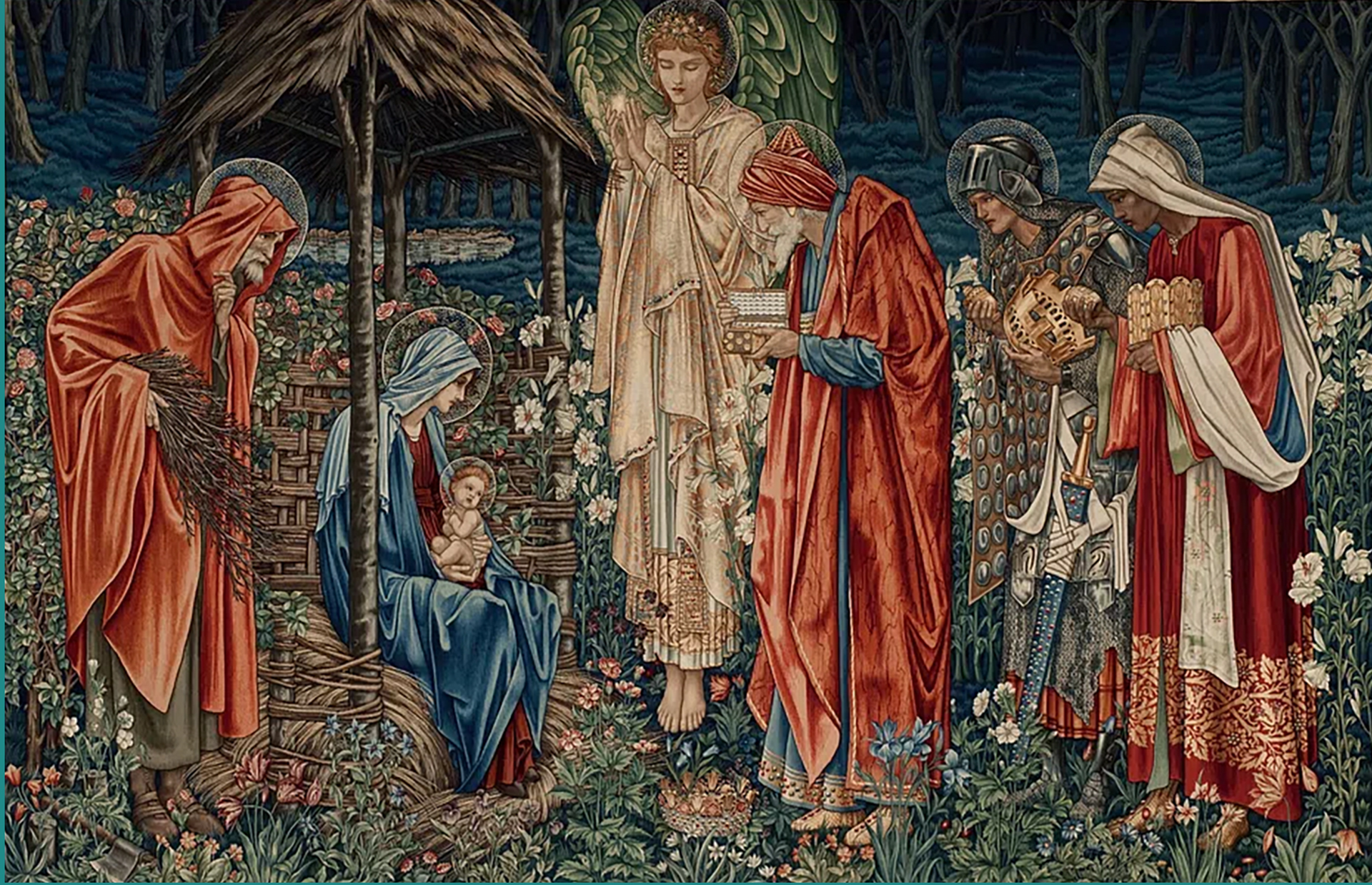
“We three kings of Orient are/ bearing gifts we traverse afar.” Nowhere in Matthew does it claim there are three. And Matthew never calls them kings. They are magi, hereditary priests of the ancient Medes and Persians. From this talented crew we get the word magic. But you can’t make a decent song out of “we unnumbered magi.” At least the carol gets one thing right: This group of wise fellows does bear gifts.

So how did kings get into the picture? Lay this at Isaiah’s door. He prophesies that kings will walk by the light of the Lord to Jerusalem. Their caravans will indeed bring gifts of gold and frankincense—but alas, no myrrh in Isaiah's vision of this scene. Gold symbolizes wealth and power. Frankincense, used in prayer, represents the divine Presence. Myrrh prepares bodies for burial. It's an ominous sign that would make a startling gift.

Matthew’s gift-bearers are wise men for sure. There is something "magical" about their foresight. Power, divinity, and death are three sober elements that will accompany Jesus from Bethlehem to Jerusalem. These were strange birthday presents to be sure. But they were appropriate honors for the King of the Universe, the Divine Son, and the crucified Lord.

Gold. Frankincense. Myrrh. These were the gifts Jesus received long, long ago. But we also bear him gifts at every Eucharist: Bread. Wine. Our financial sacrifice. These are all "made by human hands" one way and another. And, as Jesuit Roc O'Connor suggests, these are gifts transformed and returned to us as Body and Blood of Christ, and redistributed resources for those in need.

More gifts come to us by way of this shared Table. Grace pours out on the assembly. But grace can seem like one of those white elephant gifts: Now that we have it, what do we do with it? Church teaching describes grace as internal sanctification. We're made holy, fit “temples of the Holy Spirit,” as Paul assures us. This isn’t about spiritually fumigating your chest cavity. It’s about becoming, like Mary, God-bearers: those who carry the divine presence wherever we go.

Grace moves at God’s initiative. We can’t muster it up by sheer force of moral living. Paul says we can try to save ourselves by obedience—but we will surely fail. Grace forgives sin, and rescues us from every evil. This is one gift you don’t want to put at the bottom of a closet.


Scripture

Isaiah 60:1-6; Psalm 72; Ephesians 3:2-6; Matthew 2:1-12; 1 Corinthians 6:19

Books

At the Supper of the Lamb: A Pastoral and Theological Commentary on the Mass - Paul Turner (Archdiocese of Chicago: Liturgy Training Publication, 2011)

In the Midst of Our Storms: Opening Ourselves to Christ in the Liturgy - Roc O'Connor, SJ (Archdiocese of Chicago: Liturgy Training Publication, 2015)


Reprinted with permission from PrepareTheWord.com. ©TrueQuest Communications.

Site:  0 comments  -  Add your own comment  -  Follow my posts  -  Permalink Tags: epiphanymagithree kingswisemen
Facebook:
Comments  

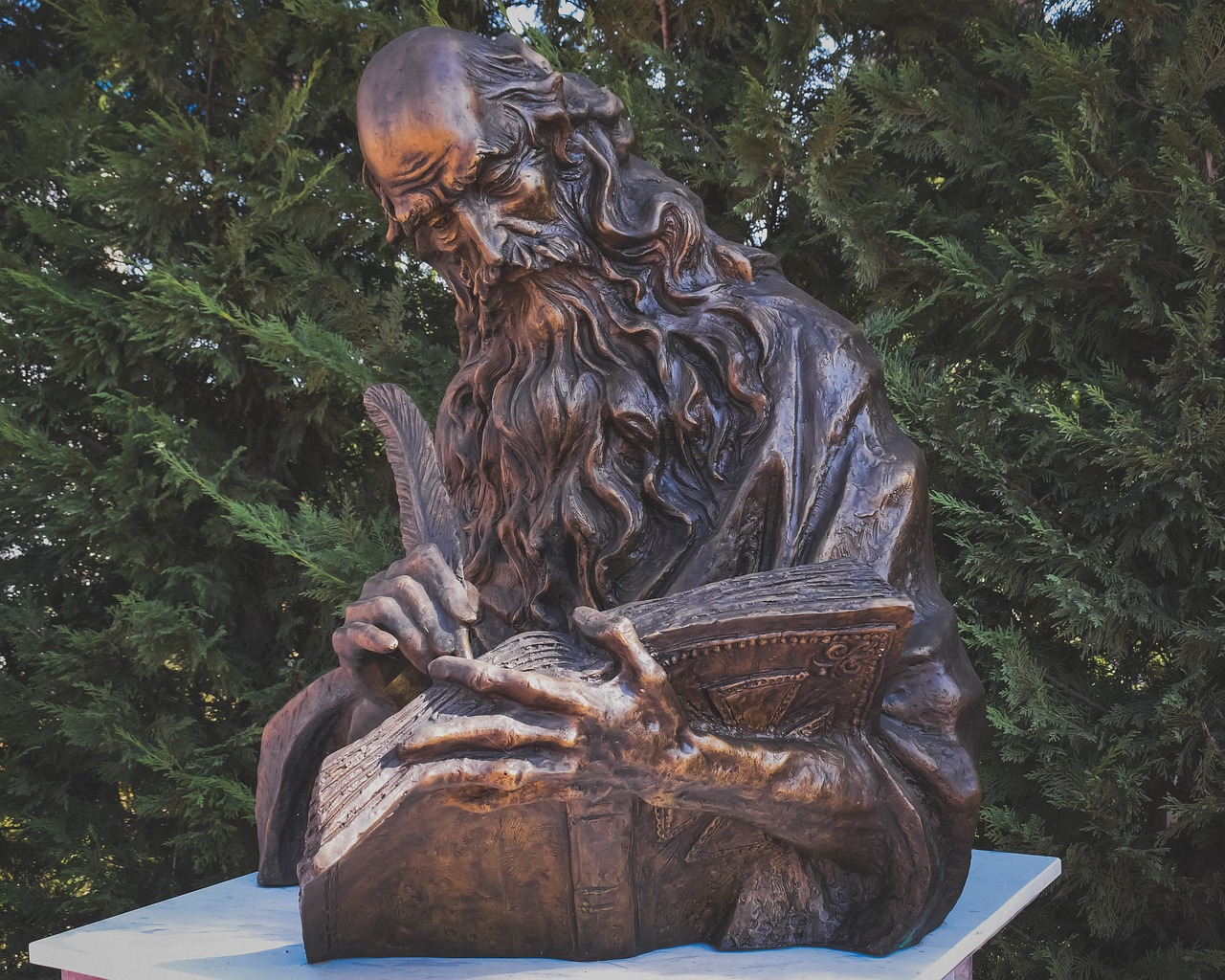
What's an evangelist? How many are there?

Posted by: Alice L. Camille 🕔 Tuesday 26, September 2023 Categories: Scripture,Church History
By the time of the third-century church fathers, the list of evangelists seems reduced down to four: the gospel writers Matthew, Mark, Luke, and John.

Evangelist translates from the Greek as "messenger of good tidings." All baptized persons are called to be such messengers. From the professional preacher to the person who exemplifies a life of Christian virtue, all might validly claim to be evangelists.

As early as Isaiah's prophecies, heralds of good news are cited in the Bible. In the Letter to the Ephesians, apostles, prophets, and evangelists play vital roles within the church. The deacon Philip in Acts is called an evangelist, as is Paul's protege Timothy. So it's clear that in biblical terms, evangelist is not an exclusive term.

However, by the time of the third-century church fathers, the list of evangelists seems reduced down to four: the gospel writers Matthew, Mark, Luke, and John. These four concretized the Good News which the whole church going forward would proclaim. In early church art, the four evangelists were simply depicted as men holding books, or symbolically as four scrolls situated at the corners of a cross. They were also imagined as the four rivers of Paradise mentioned in Genesis: Pishon, Gihon, Tigris, and Euphrates, meant to water the earth and give it life.

By the fourth century, the symbology of the gospel evangelists became a standardized tetramorph ("four shapes"): man, lion, ox, and eagle. These were not arbitrarily chosen. In the initial vision of the prophet Ezekiel, he perceives "a great stormwind" blowing in from the North. Riding this gale are four living creatures. They appear in human form with faces, legs, and hands. But they also have wings and polished hooves. Facing outwardly in the four directions, their faces resemble a human, lion, ox, and eagle respectively. "Wherever the spirit would go, they went; they did not change direction when they moved." These extraordinary creatures are four and yet unified in their movement. They also burn like coals of fire.

This tetramorph makes a reappearance in the Book of Revelation, and it's likely that the writer, John of Patmos, consciously intends the gospel writers with this usage. Matthew emphasizes the humanity of Jesus: he's represented as the man. Mark highlights the divinity and kingship of Jesus, and is identified as the lion. Luke holds up the sacrificial character of Jesus and so becomes the ox. John is the eagle. His gospel soars above the others with its transcendent perspective on the meaning of Jesus as the eternal Christ.

Scriptures: Genesis 2:10-14; Isaiah 52:7; Ezekiel 1:4-25; Luke 4:18-21; Acts 21:8; Ephesians 4:11-16; 2 Timothy 4:5; Revelation 4:6-8, 5:14

Books: Dictionary of Christian Art, by Diane Apostolos-Cappadona (Continuum Publishing Company, 1994)

Preaching to a Multi-generational Assembly, by Andrew Carl Wisdom, O.P. (Liturgical Press, 2004)


Reprinted with permission from PrepareTheWord.com. ©TrueQuest Communications.
Site:  0 comments  -  Add your own comment  -  Follow my posts  -  Permalink Tags: evangelist
Facebook:
Comments  

SOCIALIZE

Follow Us

CALENDAR

Click on a date below to see the vocation events happening that day!