


Questions Catholics Ask

| ➕ | ➕

More questions...and responses

In this era of fake news, is it a sin to share juicy but unsubstantiated reports?

Posted by: Alice L. Camille 🕔 Wednesday 07, October 2020 Categories: Doctrines & Beliefs
The ubiquity of social media muddles an already complex issue by presuming a right to the communication of all truth—which the Catechism teaches is not an unconditional right but must be considered with the precept of fraternal love.

Yes. The very common activity you’re describing is known as calumny. It’s a sin against the eighth commandment, which decries bearing false witness. The Catechism of the Catholic Church has an entire section on our mutual responsibility to uphold the truth (nos. 2464–2513). This is a special duty at a time when credible information is harder for well-meaning folks to discern.

God is the source of all truth. Jesus calls himself “the way, the truth, and the life.” Jesus also says “you shall know the truth, and the truth will set you free.” Peddling questionable information because it’s entertaining, or supports a position we favor, means participating in the shadow trade of falsehood. The Prince of Lies runs that operation and isn’t a spirit we want to encamp with.

Our obligation to truth prompts us to speak with candor: that is, with freedom from bias or malice. Traditionally, one’s word was one’s bond, which is why we still trust people in court to tell the whole truth and nothing but the truth simply because they say they will. (And face a serious offense if they don’t.) We admire those whose word matches their deed. To act against one’s word is considered hypocrisy.

Martyrs aren’t defined as those who die in the name of religion. They’re witnesses to the truth who value it even above their own lives. Valuing the truth includes respecting the dignity of other people. The Catechism lists three errors against the truth concerning others. First, rash judgment: assuming the moral fault of a neighbor without sufficient evidence. Secondly, detraction: disclosing someone’s faults for no good reason. Calumny is last: harming another’s reputation by spreading misinformation. Both detraction and calumny are sins against charity and justice.

While lying is a direct offense against the truth, the Catechism also cautions against flattering, boasting, and malicious caricature. Some of our favorite comedians may be at fault lately with the latter. The ubiquity of social media muddles an already complex issue by presuming a right to the communication of all truth—which the Catechism teaches is not an unconditional right but must be considered with the precept of fraternal love. We must measure whether a divulgence ensures the common good or simply exposes the private lives of others—even if they are public figures. Gratuitous invasion into the privacy of others doesn’t serve the cause of truth or charity.

Scripture: Exodus 20:16; Deuteronomy 5:20; Matthew 5:33-37; John 1:14; 8:12-18, 32, 44; 12:46; 14:6; 18:37-38; Acts 24:16; Romans 3:4; 1 John 1:5-10;

Books: The Truth Will Make You Free: The New Evangelization for a Secular Age, by Robert F. Levitt, PSS (Liturgical Press, 2019) 

Paraclete: The Spirit of Truth in the Church, by Andrew Apostoli, CFR (Franciscan Media, 2005)


Reprinted with permission from PrepareTheWord.com. ©TrueQuest Communications.

How should Catholics decide how to vote?

Posted by: Alice L. Camille 🕔 Wednesday 07, October 2020 Categories: Doctrines & Beliefs

The dignity of the human person, subsidiarity, the common good, and solidarity should inform the Catholic conscience on any occasion.

Thanks for presuming Catholics should vote! I recently met a retired woman who proudly claimed her Catholic faith. And then even more proudly admitted she’d never voted in a single election: “My trust is in God, not in dirty politics.” 

If politics is dirty, it’s because people of good will aren’t engaged in public life. The U.S. Bishops (USCCB) affirm: “As Catholics, we bring the richness of our faith to the public square.” And also: “In the Catholic Tradition, responsible citizenship is a virtue, and participation in political life is a moral obligation.” (13) Both statements appear in Forming Consciences for Faithful Citizenship: A Call to Political Responsibility (Nov. 2019). This document on social responsibility has been edited and reissued every four years since the 1976 elections.

Regrettably, the latest edition came out before the pandemic, which would surely have shaped the content. Still, it underscores the timeless principles of church social justice doctrine: the dignity of the human person, subsidiarity, the common good, and solidarity. These four pillars should inform the Catholic conscience on any occasion.

Human dignity requires a passionate defense of the unborn. Yet “equally sacred,” Pope Francis insists, are the lives of the poor, the infirm, elderly, and children. Human dignity is threatened in many ways: indifference to immigrants and refugees, xenophobia, racism, torture, human trafficking, capital punishment, gun violence, global conflict, and the environmental crisis. All must be properly viewed as life issues. All are jeopardized by the “throwaway culture” that labels some lives expendable. 

The principal of subsidiarity involves a concern raised by Pope John Paul II: that “all structures of sin are rooted in personal sin… linked to the concrete acts of individuals.” A person may feel helpless to influence institutional evil. Yet Pope Benedict XVI noted that charity is vital not only in micro-relationships (friends, family members, small groups) but also in macro ones (social, economic, political). (9) The morality of groups matter, from the family to the corporation to the international community. Larger groups have responsibility to smaller ones.

The common good is upheld when the basic unit of society, the family, is nurtured and protected. Children and women must be valued. Workers must earn a living wage. Food security, shelter, education, health care, employment, and freedom of religion must be guaranteed rights. The economy must serve people and not vice versa.

Finally, solidarity remains a Catholic value. Our relationships across society must have a “Eucharistic consistency,” with a preferential option for the poor and a welcome for the stranger. Support leaders and policies that affirm these truths.

Resource: 

Forming Consciences for Faithful Citizenship (USCCB, Nov. 2019)

https://www.usccb.org/resources/forming-consciences-for-faithful-citizenship.pdf


Reprinted with permission from PrepareTheWord.com. ©TrueQuest Communications.

Site:  0 comments  -  Add your own comment  -  Follow my posts  -  Permalink Tags: electionpoliticsvote
Facebook:
Comments  

Why is Christianity so negative about the human body?

Posted by: Alice L. Camille 🕔 Friday 21, August 2020 Categories: Doctrines & Beliefs
Theology of the Body
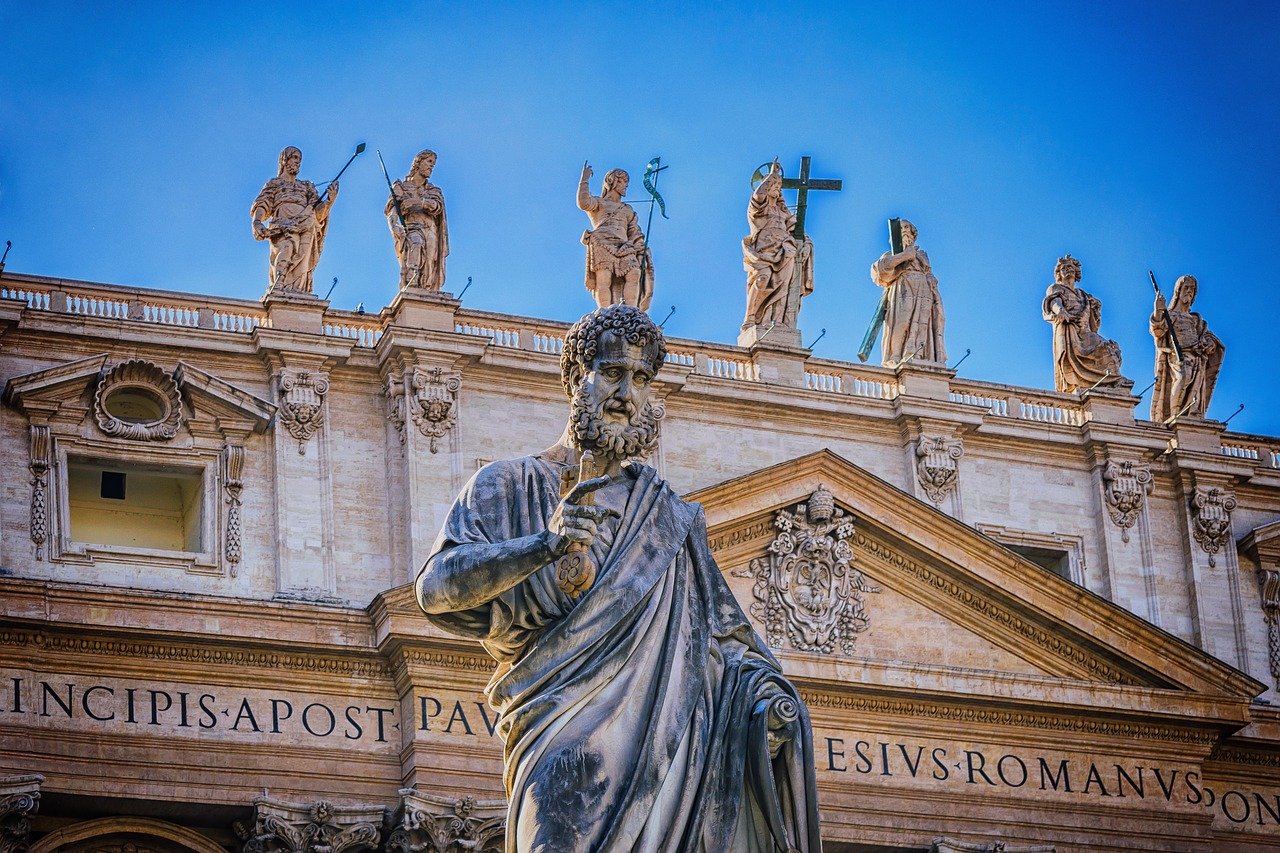
Since the body is an expression of our creatureliness, respect for the body is extended to the whole creation.

This perception comes from a limited exposure to church teaching. Actually, the church is very positive about the body. What relates to the body also relates to the spirit, since in biblical understanding body and spirit comprise the human person. “To be holy is to be whole,” as theologian Colleen Griffith expresses it. The human body has a sacramental character to it, as the literal embodiment or incarnation of divine grace. 

Because the church takes this incarnation of divine grace seriously, Catholics take what pertains to the body just as seriously. What we do with our bodies and those of others matters. This is expressed in teachings about sexual morality which get the lion’s share of attention; but also much more. Our positivist stance on the body includes championing the rights to food, shelter, clothing, and protection for all God’s people. The unborn have our allegiance, but also the poor, the imprisoned, the sick, the dying, and the unwelcome. Every instance of injustice demands a Catholic response because injustice resides in tangible systems and affects children of God in the here and now. Since the body is an expression of our creatureliness, respect for the body is extended to the whole creation, mandating profound responsibility to the natural world in which we live and move and have our being.

Scripture has no preferred word for the body. In the Old Testament, the literary device of synecdoche is widely used; that is, a part represents the whole, as when a heart is proud, hunger affects many bellies, or flesh is described as grass. Clearly the entire person is intended, but only the part is mentioned. In Daniel the word used for the whole body translates as “that which is palpable.” In Hebrew understanding, the human person is comprised of body/spirit, and to lose either aspect is to lose what is palpably human.

Jesus preserves this integrated sense of the person in his teaching that one who perceives clearly brings light to the whole body. Yet he cautions that we must avoid the one who can kill the spirit at least as much as the one who visits violence on the body.

Paul opposes any purely mystical proposals about resurrection: it’s all or nothing, body and soul together. For this reason, we must regard our bodies as temples of the Holy Spirit, not spiritualizing matters of religion as if they existed apart from the daily palpable life of every body.

Scripture: Exodus 34:18-23; Psalm 51:12; Isaiah 10:18; Micah 6:14; Daniel 5:21; Matthew 6:25; 10:28-31; Luke 11:34-36; 12:4-7; 1 Corinthians 3:16-17; 6:15-20; 12:12-26; 15:1-58

Publication: "Spirituality and the Body," Reading in Moral Theology No. 17: Colleen M. Griffith.  (Paulist Press, 2014)

Books: Spirit, Soul, Body: Toward an Integral Christian Spirituality, Cyprian Consiglio, OSB Cam. (Liturgical Press, 2015)

A Body for Glory: Theology of the Body in the Papal Collections: the Ancients, Michelangelo, and John Paul II, Elizabeth Lev and José Granados (Paulist Press, 2017)


Reprinted with permission from PrepareTheWord.com. ©TrueQuest Communications.
Site:  0 comments  -  Add your own comment  -  Follow my posts  -  Permalink Tags: incarnation
Facebook:
Comments  

What kind of authority does the church really have?

Posted by: Alice L. Camille 🕔 Friday 21, August 2020 Categories: Doctrines & Beliefs,Church History
St. Peter
The Church acknowledges God as the source of all earthly authority.

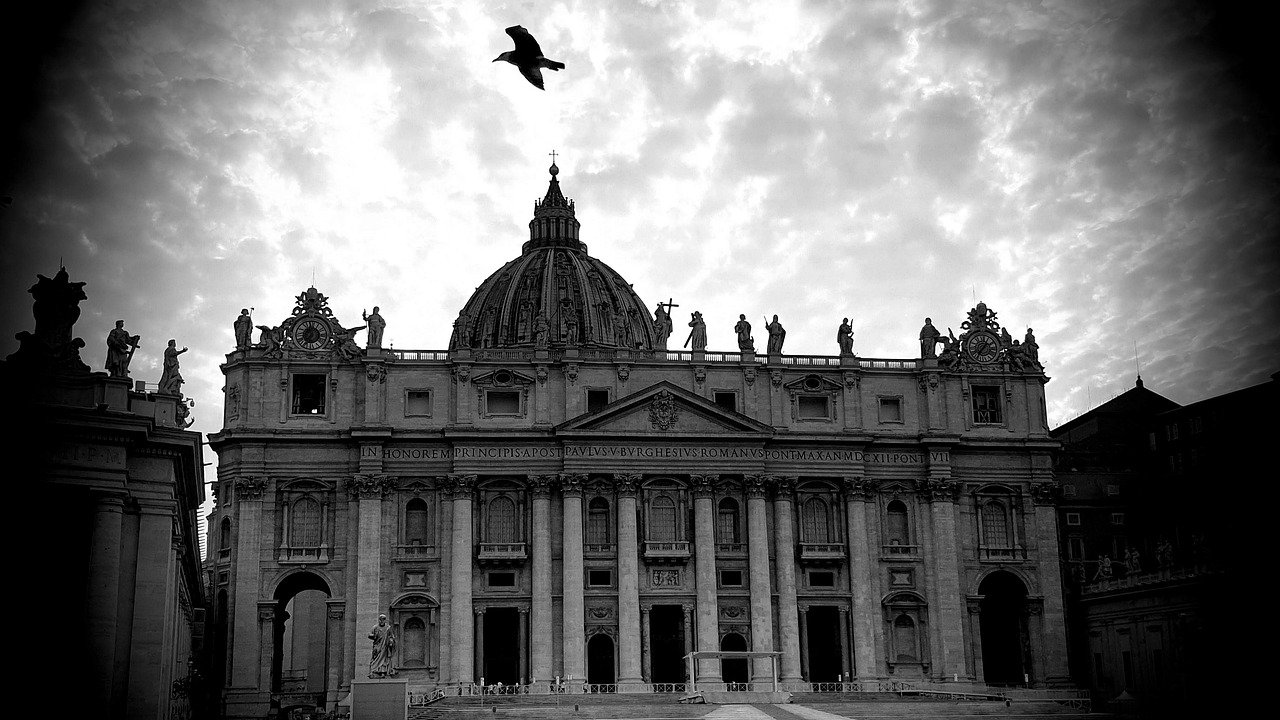
It’s the power of the keys. Jesus hands to Peter “the keys of the kingdom”: a commission to “bind and loose” on earth what will be, in mirror fashion, bound and loosed in heaven. This language recalls the authority of Jewish scribes who interpret the Law of Moses. Peter, and by extension his successors on the Chair of Peter, have the power to interpret what flies and what doesn’t in church teaching.

The territory of this authority is subject to ongoing definition. The First Vatican Council (1869-70)—see essay: "What happened at Vatican I?"— determined that the holder of the keys speaks infallibly in definitive teachings on matters of faith and morals. To some, this sounded like an expansion of the papal footprint. To others, it merely made explicit what had been implicit in Jesus’ commission. 

The footprint seemed to shrink a little when Pope John Paul II insisted in an apostolic letter that "the Church has no authority whatsoever to confer priestly ordination on women.” (Ordinatio sacerdotalis, May 1994) Apparently there are some doors these keys cannot open. Some argue the teachings of Jesus are not subject to reinterpretation even by the key holder. Others point out that while Jesus initially chose twelve men to follow him, no teaching restricts the binding and loosing authority to males.

The Latin word from which authority emerges (auctoritas) means to grow or produce. One in authority governs communal growth and direction by persuading or dictating thought, opinion, and action. This invests a leader with great social power, not only over ideas and behaviors but also with the power of decision. The decider, it’s been said, gets to decide.

The Church acknowledges God as the source of all earthly authority. Jesus reminds Pontius Pilate of this during his trial: “You would have no power over me if it had not been given to you from above.” In turn, God subjects all worldly dominion to Christ Jesus, putting everything at his feet. Human beings, as Pilate is warned, participate in this authority by faithfully serving God’s will alone. Peter makes this point to the Sanhedrin: “Obedience to God comes before obedience to men.” 

In addition, church authority can be delegated, and is most certainly shared by the Spirit’s own choosing. Paul’s delineation of gifts—apostle, prophet, teacher, leader—conveys the bounty of authority bestowed on the church. Finally, all church authority imitates the service demonstrated by Jesus at the Last Supper, humbly washing the feet of others. 

Scriptures: Matthew 9:8; 16:17-19; John 13:13-17; 19:10-11; 20:22-23; Acts of the Apostles 4:19; 5:28-32; Romans 12:3-8; 1 Corinthians 12:1-31; 15:25-28; Philippians 2:5-11

Books: By What Authority? Foundations for Understanding Authority in the Church. Rev. Ed., Richard Gaillardetz (Liturgical Press, 2018)

Struggles for Power in Early Christianity: A Study of the First Letter to Timothy, Elsa Tamez (Orbis Books, 2007)


Reprinted with permission from PrepareTheWord.com. ©TrueQuest Communications.
Site:  0 comments  -  Add your own comment  -  Follow my posts  -  Permalink Tags: authority
Facebook:
Comments  

You always hear about Vatican II. What happened at Vatican I?

Posted by: Alice L. Camille 🕔 Friday 21, August 2020 Categories: Doctrines & Beliefs,Church History
Vatican I
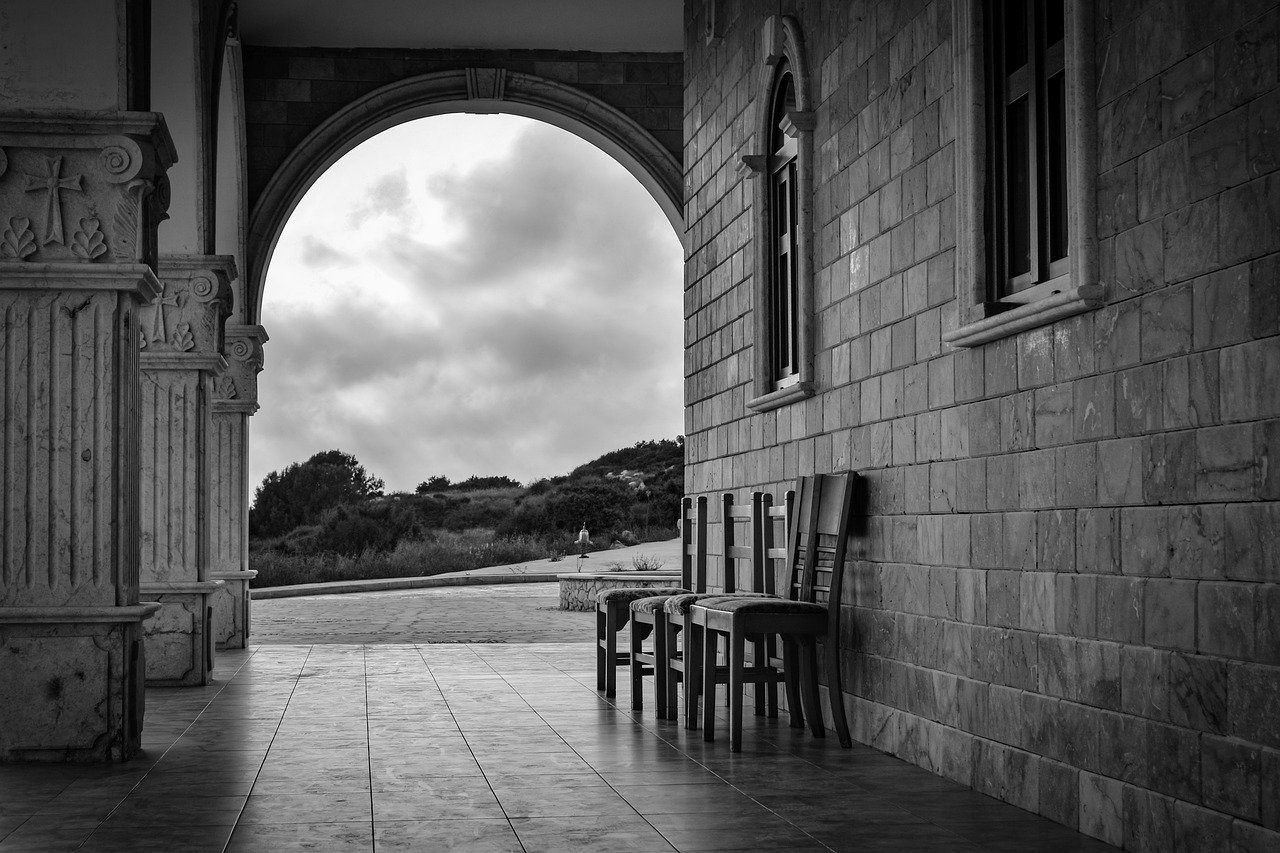
In December of 1869, Vatican I was the first council at St. Peter’s Basilica in Rome.

The numbering makes it sound like popes have convened only two councils in the church’s history. Actually, Vatican I was the 20th. Councils are named according to their location. In December of 1869, Vatican I was the first council at St. Peter’s Basilica in Rome. It was interrupted by war in September 1870 and never completed.

Pope Pius IX viewed the Council originally as “a remedy for present evils in Church and society” (Aeterni Patris). A few years earlier, he had published a Syllabus of Errors condemning pantheism, rationalism, indifferentism (the belief that any religion can lead to God), socialism, communism, secret societies, liberalism; as well as errors concerning the nature of the church, society, ethics, marriage, and papal authority. The pope hoped a council would offer solemn endorsement of his condemnations.

Over 50 draft documents were made, but only six were debated, and two adopted. The first adopted article is rarely mentioned, a theological treatise on faith and reason. The second is more familiar: the formal defining of papal infallibility. 

Papal infallibility was presumed by many Catholics and wouldn’t have been debated by most. The Ultramontane (“beyond the mountains”) movement described those who held that a strong papacy was the only defense against liberal ideas launched by politics, science, and philosophy. Most bishops supported strong papal authority but disagreed on its reach. Some theologians, among them British convert William George Ward, felt every pronouncement of the pope ought to be infallible. Many bishops insisted infallibility belonged to the church, not just to the pope; or that the pope enjoyed infallibility in certain situations but not all; or that infallibility was contingent on the pope speaking in harmony with past church teaching and his fellow bishops. Some leaders—including John Henry Newman of England, Archbishop Martin Spalding of Baltimore, and Archbishop Peter Richard Kenrick of St. Louis—believed defining infallibility was a mistake, obviously undone by examples from history. 

Oppositional factions grew among German, English, and French bishops. Dozens left the Council in protest before the final vote. Of the original 774 participants, only 433 were present to vote in favor of infallibility. Two bishops voted against the teaching, including an Italian and Bishop Edward Fitzgerald of Little Rock, Arkansas. Only two German church leaders refused to accept the teaching once it was passed. Both were excommunicated.

Books: Revered and Reviled: A Reexamination of Vatican Council I, John R. Quinn (Crossroad Publishing Co, 2017)

Vatican I: The Council and the Making of the Ultramontane Church, John W. O’Malley, SJ (Belknap Press/Harvard University Press, 2018)


Reprinted with permission from PrepareTheWord.com. ©TrueQuest Communications.
Site:  0 comments  -  Add your own comment  -  Follow my posts  -  Permalink Tags: vatican iiauthorityvatican i
Facebook:
Comments  

What do you have to do to get kicked out of the church?

Posted by: Alice L. Camille 🕔 Friday 21, August 2020 Categories: Doctrines & Beliefs
Excommunication
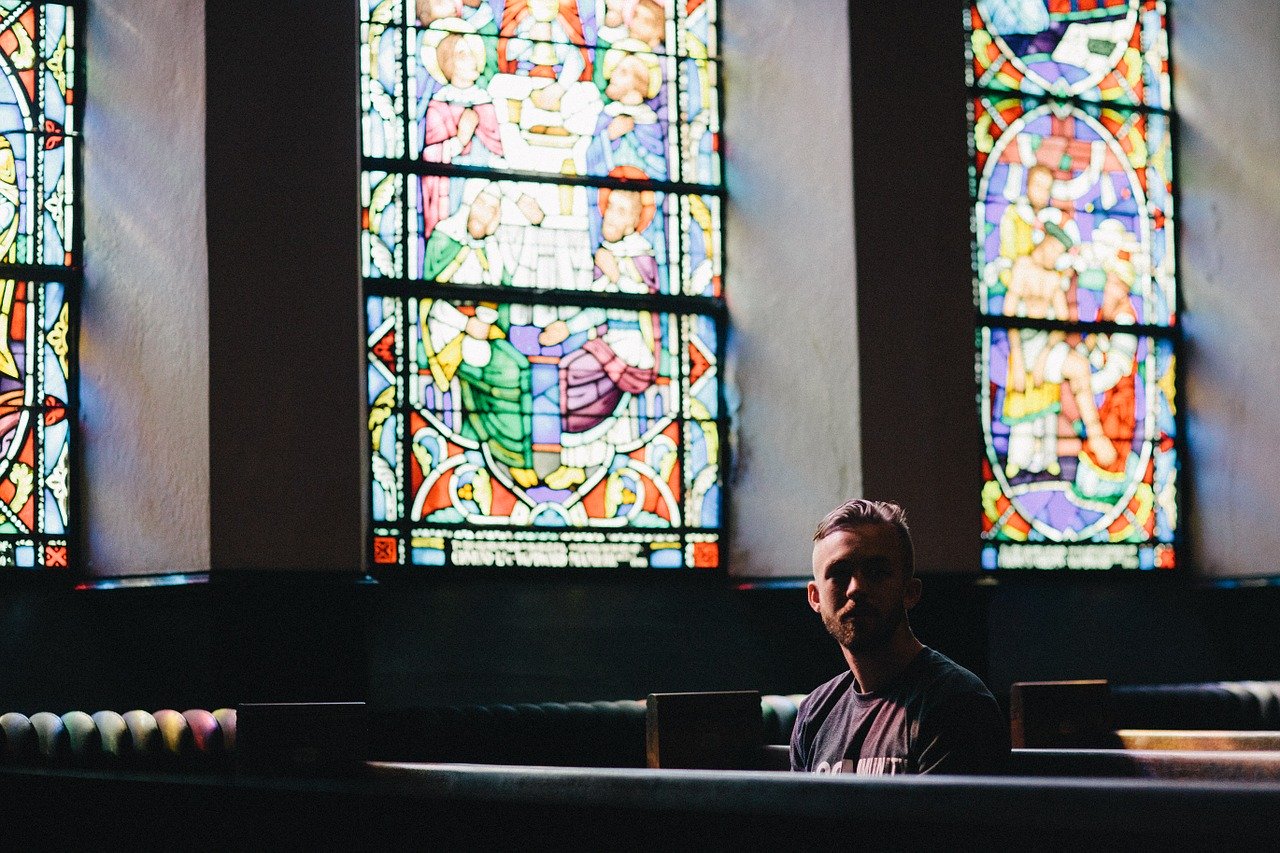
A major criterion for censure is the public effect of an errant stance.

It’s not as easy as you think. Being a sinner isn’t enough, since that describes all of us. Size doesn’t matter: a grave sin doesn’t necessarily put you on the curb. However, when a publicly visible attitude or action “provokes a disturbance within the faith community,” the need to “protect the integrity of the community’s faith, communion, and service” may make an equally visible separation necessary, says canonist Thomas J. Green. This separation is achieved by censure of the stubbornly disobedient (“contumacious”) Catholic. Levels of censure may include excommunication, interdict, and suspension. 

Bottom line: A major criterion for censure is the public effect of an errant stance. The main objective of censure is medicinal: separation may restore the penitent to the church.

The Catechism calls excommunication “the most severe ecclesiastical penalty” [no. 1463], barring one from reception of the sacraments. Excommunicated clerics are also denied the capacity to minister, govern, hold office, or receive benefits. Excommunication doesn’t expel you from the church; it distances you from the community. Nor is it final: it can be lifted by pope, bishop, or authorized priest. In danger of death, any priest can hear the confession of an excommunicant. 

Interdict was historically applied to errant groups; personal interdict differs only slightly from excommunication. Suspension is applied only to clerics: bishops, priests, deacons. Depending on the offense, some or all liturgical and governing exercise may be denied.

Offenses that lead to automatic excommunication are grave and few. They include: 

—apostasy (renouncing your faith publicly)

—heresy (rejecting a church dogma like the divinity of Christ)

—schism (joining a group willfully separated from the church)

—profaning the Eucharist

—physical attack on the pope

—priestly absolution of an accomplice 

—unauthorized consecration of a bishop

—direct violation of the seal of confession by a confessor

—procuring an abortion

Excommunication may also be externally applied for the pretended celebration of the Mass or conferral of absolution by a non-priest, and for violation of the confessional seal by an interpreter or others. Mitigating factors like mental illness, intoxication, ignorance, fear, coercion, or lack of malice naturally affect the grounds of censure.

Scripture: Leviticus 19:17; Sirach 19:13-17; Matthew 7:1-5; 18:15-18; John 20:23; 1 Corinthians 5:1-13; Galatians 6:1; 1 Timothy 5:20

Books: The Code of Canon Law: A Text and Commentary, Ed. Thomas J. Green, et. al. (Paulist Press, 1985). See canons 1311-1399 and tables following.

Canon Law as Ministry: Freedom and Good Order for the Church, James Coriden (Paulist Press, 2000)


Reprinted with permission from PrepareTheWord.com. ©TrueQuest Communications.
Site:  0 comments  -  Add your own comment  -  Follow my posts  -  Permalink Tags: authorityexcommunication
Facebook:
Comments  

Have you, personally, been back to Mass yet? And if so, what was it like?

Posted by: Alice L. Camille 🕔 Sunday 26, July 2020 Categories: Liturgy

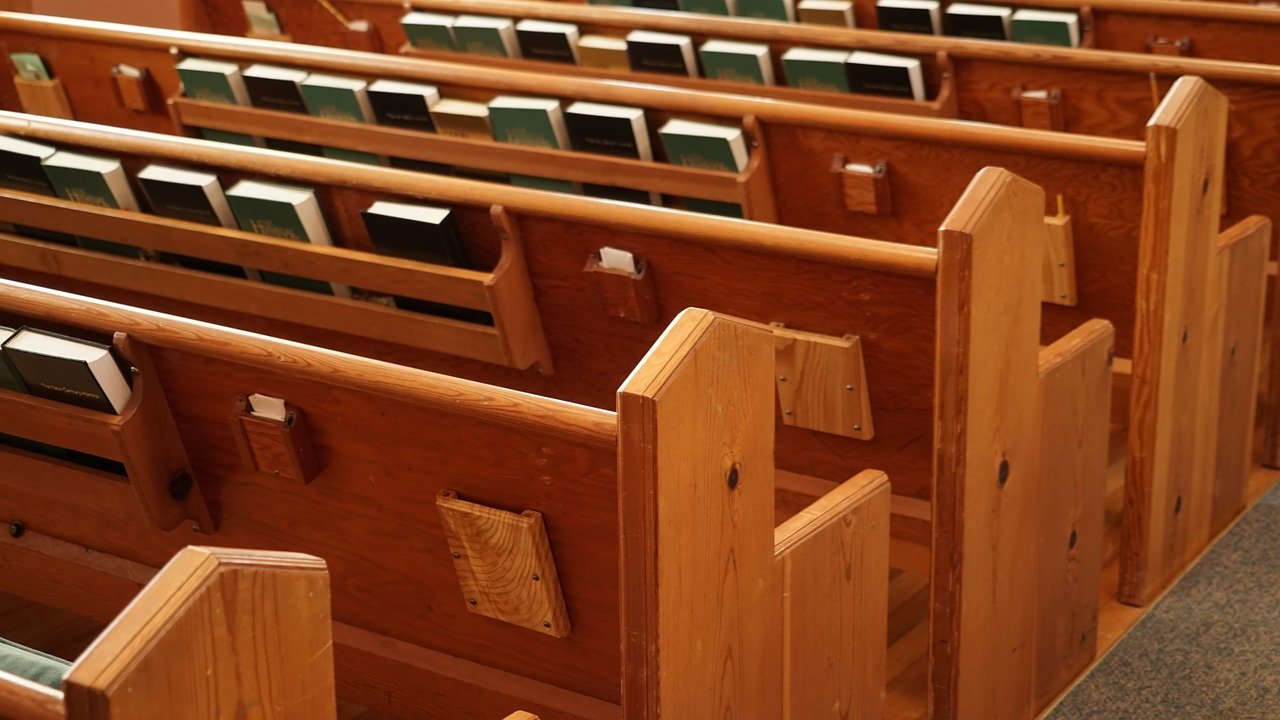
The first week my parish reopened, I attended the Saturday Vigil. Normally I sing in the Sunday choir—but alas, singing’s now discouraged. Our music director was at the organ, and he played some pieces that didn’t even tempt us to hum under our breath. Those aerosol droplets that travel up to fourteen feet when singing didn’t stand a chance under these conditions.

I saw the new guidelines in force even before I arrived at the church. An appropriately distanced line formed at the doors. An usher, holding a clipboard, asked each of us if we were feeling well three different ways. I resisted the urge to clear my throat in responding. 

Once inside, I was greeted by a friend stationed at a table. She invited me to purify my hands with the supplied sanitizer. She offered masks to those who hadn’t brought one. Then I was handed off to another usher, who noted I was a “party of one.” He led me to a pew into which I was inserted, like a puzzle piece, into the rightly distanced space.

Our pastor, recently recovered from COVID-19, popped out of the sacristy in a mask. As a chaplain at the local hospital and former patient, he’s sensitive to modeling the right behavior. Contradicting liturgical protocols, my pastor wore his mask throughout the Mass. I won’t tell if you won’t.

Mass began with no procession. No servers or lectors were in the sanctuary. Father handled all the readings. The credence table had been moved to the sanctuary with the offertory gifts—which should not be overly handled at this time. Subtract singing, lector movements, offertory procession, and the collection, and Mass gets slimmer. Fear not about the collection: I failed to mention the ushers received our envelopes in a secure tube before we were seated. 

The dismissal came quickly after the Eucharistic Prayer. Protocols encourage distributing communion after Mass is ended. Those who were not receiving departed with an usher escorting them out, one seating at a time. Those receiving were invited forward by seating, spaced apart. Communion was offered in cupcake papers pre-filled before Mass began, arranged on cookie sheets. A wastebasket ten feet away collected discarded papers.

Outside the church, many parishioners removed their masks and massed near the doors, greeting each other with enthusiasm after so long a separation. All the care that had gone into keeping us distanced and protected inside was undone in the parking lot.


Materials the USCCB recommends for preparing diocesan guidelines:

Road Map to Re-Opening Our Catholic Churches Safely – Ad Hoc Committee of Catholic Doctors (May 2020), 9 pp.


Reprinted with permission from PrepareTheWord.com. ©TrueQuest Communications.
Site:  0 comments  -  Add your own comment  -  Follow my posts  -  Permalink Tags: pandemiccoronaviruscovid
Facebook:
Comments  

My sister’s parish has been completely reopened for a month now, but my pastor has yet to open ours for Mass. Why is he refusing to serve us?

Posted by: Alice L. Camille 🕔 Sunday 26, July 2020 Categories: Liturgy
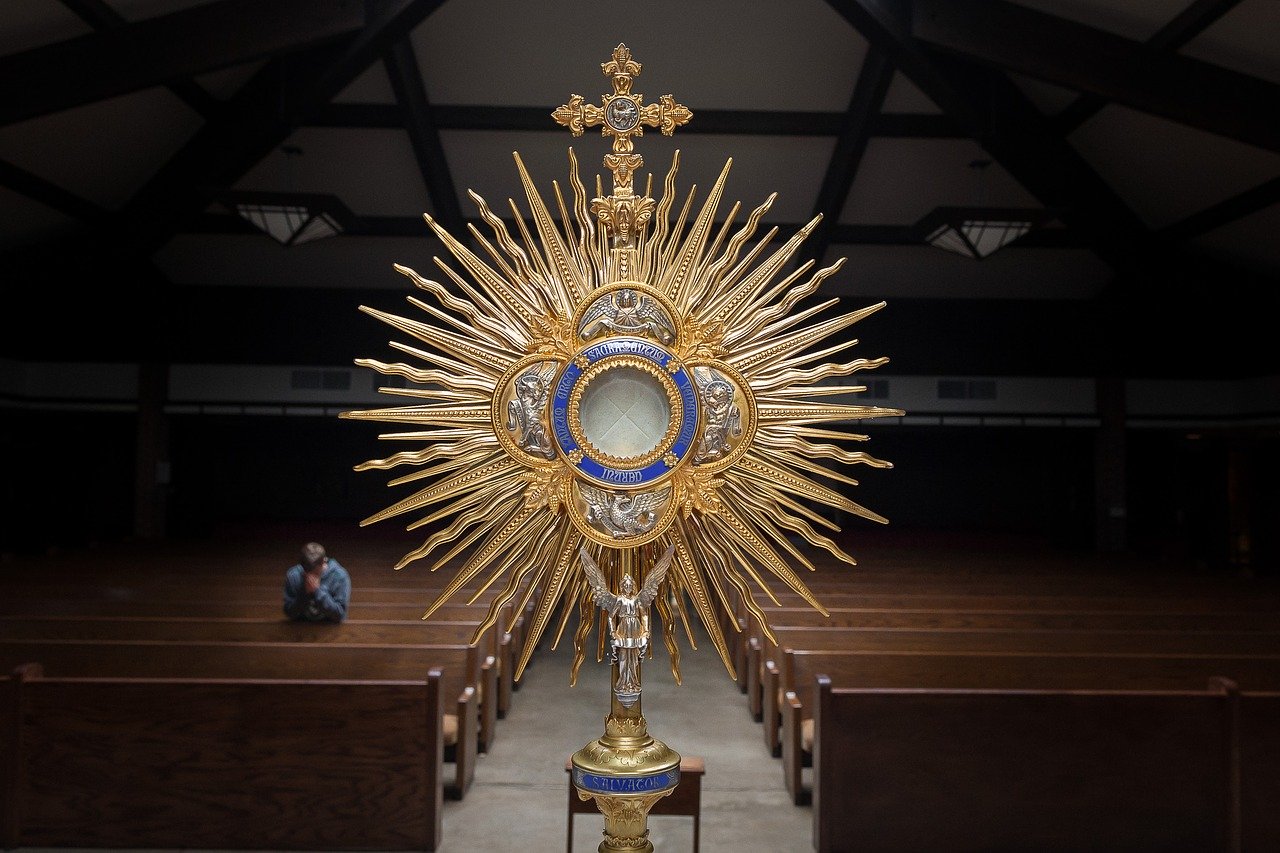
Empty pews
Regional distinctions are a huge factor in determining when to reopen.

Reopening a parish isn’t as simple as it may seem from the perspective of the pews. It’s more than opening the doors and firing up the organ. Health guidelines were prepared at the request of the U.S. Conference of Catholic Bishops (USCCB). Liturgical values were established by theologians as well. But the USCCB declined to set a national policy for when and how to reopen, leaving those decisions to regional bishops. Most bishops, in turn, delegated when and how to their trusted pastors. Your question is: why not just create a blueprint for the country or, indeed, for the Catholic world?

Regional distinctions are a huge factor in determining when to reopen. Is the virus controlled in your town and surrounding areas? Mass-goers don’t hail from one place. When a church reopens, Catholics may drive a distance to be there. If numbers are out of control the next town over, opening your church presents a more significant risk.

In addition to infection rates, a pastor must consider his community. One pastor reports how, each month since the pandemic began, parishioners have stomped into the parish office refusing to wear masks or maintain appropriate distancing, demanding that Mass be resumed. The pastor concludes his parishioners aren’t ready to assume responsibility for each other’s safety. Even if most observe the protocols, it would be contrary to the spirit of the Eucharist to forbid or remove others who won’t. Whether he refuses them a seat, or permits them to remain unmasked, it divides and endangers his assembly. 

In addition, the very meaning of a sacrament weighs heavily for some pastors. After reflection and prayer, they conclude that the reopening guidelines compromise the sign value of the very sacraments they seek to make accessible. Taking reservations, discouraging the elderly to attend, or turning people away at the door perplexes them. One pastor noted: “Jesus didn’t say, ‘Take this, some of you, and eat of it.’”  Another decided: “Until we can all assemble, none of us will assemble.” Community is challenged by sitting apart, forbidding touch, and denying any gathering after the service. The spirit of celebration is dampened without singing. Unity is threatened by the specter of fighting over protocols. It diminishes the sacraments to offer an unworthy expression of them, they conclude.

Only when local conditions, parish attitudes, and sacramental viability come together will a pastor be likely to reopen for worship.


Materials the USCCB recommends for preparing diocesan guidelines:

Road Map to Re-Opening Our Catholic Churches Safely – Ad Hoc Committee of Catholic Doctors (May 2020), 9 pp.

COVID-19: Guidelines on Sacraments and Pastoral Care – Working Group on Infectious Diseases Protocols for Sacraments and Pastoral Care, Version 1.2 (May 7, 2020), 24 pp.


Reprinted with permission from PrepareTheWord.com. ©TrueQuest Communications.
Site:  0 comments  -  Add your own comment  -  Follow my posts  -  Permalink Tags: pandemiccoronaviruscovid
Facebook:
Comments  

How will church re-openings be handled as restrictions due to COVID-19 are relaxed?

Posted by: Alice L. Camille 🕔 Monday 29, June 2020 Categories: Liturgy
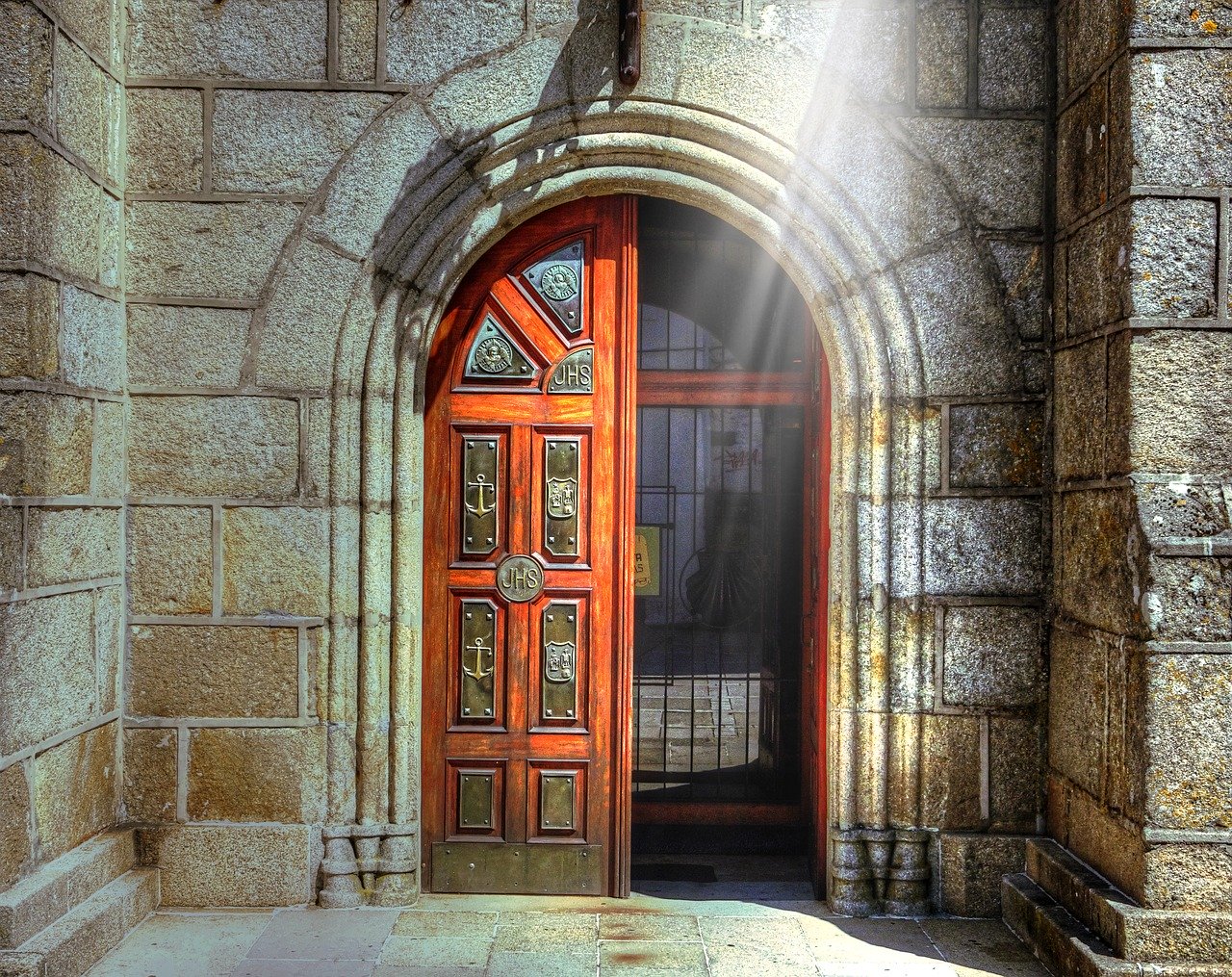
Church re-opening
These safeguards are recommended, not only for the safety of the individual congregants, but for those they encounter outside of church to help stem the tide of community spread of a highly contagious and deadly virus.

No absolute mandate will be issued from Rome to the universal Church, nor from the United States Conference of Catholic Bishops (USCCB) to U.S. Catholics. Distinctions between large parishes and small, between cities greatly affected and rural towns outside of major contagion zones, are too significant for a one-size-fits-all rubric. 

Nonetheless, the USCCB has wisely assembled working guidelines encompassing both medical expertise and liturgical norms for each bishop to consider as he issues directives to his pastors. In turn, each pastor will consider his local area’s infection rate, state and city guidelines, as well as his own personnel and physical facility, and what can reasonably be implemented to keep his community safe.

These safeguards are recommended, not only for the safety of the individual congregants, but for those they encounter outside of church to help stem the tide of community spread of a highly contagious and deadly virus. As Pope Francis said in an April 2020 interview in Vida Nueva as reported in America, “for better or worse all our actions affect others because everything is connected in our common home."

These are some general guidelines your pastor is being asked to take into account as he plans to reopen your parish:

  • Do everything that can be done with live-streaming or virtual media for the sake of the sick, elderly, those with underlying health conditions or in quarantine who should not congregate.
  • Hold services outdoors if possible.
  • Keep indoor services well ventilated.
  • Common objects (i.e. missalettes, holy water fonts, literature, offertory baskets) are to be removed from pews.
  • Aggressive cleaning of commonly touched surfaces must be practiced.
  • Hand sanitizer should be available at entrances.
  • Bathrooms must be rigorously cleaned, number of users limited, spacing marked.
  • Those in the assembly should wear masks. The presider and sanctuary ministers will not be masked or gloved but will maintain physical distancing.
  • Mark social distances with tape, signs, paint. Families/parties arriving together may sit together but apart from others by six feet.
  • Number of participants will be limited. Participants may call or text ahead for reservations. Last name initial rotations may be used. Ticket services may be employed.
  • Avoid singing by cantor or congregation, which spreads infectious droplets farther.
  • Collection baskets will not be passed. Offerings may be collected at a stationary site.
  • Processionals, recessionals, bringing up the gifts are discouraged. Receiving lines are to be eliminated. Entering and existing pews may be overseen by ushers. 
  • Doors should be held open and their handles not commonly touched.
  • Dismissal may be handled row by row. Parishioners are encouraged not to stand in groups on church grounds.

The distribution of Holy Communion is an issue sensitive and fraught with complications, with each diocese providing its own recommendations.

Materials the USCCB recommends for preparing diocesan guidelines:

Reopening: Guidance for Worship Services and Religious Gatherings – AIHA Guidance Document, Version 1 (May 15, 2020), 10 pp.  www.aiha.org 

Road Map to Re-Opening Our Catholic Churches Safely – Ad Hoc Committee of Catholic Doctors (May 2020), 9 pp.

COVID-19: Guidelines on Sacraments and Pastoral Care – Working Group on Infectious Diseases Protocols for Sacraments and Pastoral Care, Version 1.2 (May 7, 2020), 24 pp.


Reprinted with permission from PrepareTheWord.com. ©TrueQuest Communications.
Site:  0 comments  -  Add your own comment  -  Follow my posts  -  Permalink Tags: pandemiccoronaviruscovid
Facebook:
Comments  

Will the church be different after a time of global crisis?

Posted by: Alice L. Camille 🕔 Wednesday 13, May 2020 Categories: Liturgy,Prayer and Spirituality
Post-crisis church
The church has been growing, evolving, responding to each generation it embraces.

It better be! The church is a living organism, the Body of Christ, composed of you and me and multitudes of others. Some have “gone before us, marked with the sign of faith,” and some have yet to be born. Collectively, the church is 2,000 years old and counting. In all that time, the church has been growing, evolving, responding to each generation it embraces. So in that sense, we’re not your grandmother’s church, nor simply the church of Aquinas or Augustine, Paul or Mary Magdalene. At the same time, we’re absolutely “one faith, one Lord, one baptism” with all of the above. So yes: when you get back inside your local parish for liturgy again, the church will have been affected by what we’ve cumulatively experienced and bring with us into that space once more.

Religious leaders are considering possible implications of the COVID-19 era and what it might mean for the church going forward. Here’s a short list of potential ways the church may evolve, suggested by a nationally known liturgist:

* The laity may rely less on Father to make church happen for the rest of us. Father doesn’t “do the holy stuff for us.” We all do it, together. When assembling is impossible, we’ve practiced being church in the physical absence of our pastors.

* Let’s embrace our baptismal priesthood. Sacramentally speaking, we the baptized die to ourselves, to live for Christ. This makes us Christ’s ambassadors wherever we are, just as the priest represents Christ in the assembly.

* Worship is more than going to Mass. Believers worship in many settings and formats. Worship is about lifting ourselves, mind and heart and soul, to God. It involves prayer, word, and ritual. Anyone with a Bible, candle, rosary, and a need in their heart can worship. In an emergency, the needy heart is enough!

* We don’t need drive-thru Communion and Confession. Such activities actually diminish the richness of the sacraments. When Eucharist isn’t available, share an agape (love) meal. No blessed water? Bless each other. No confession? Tell your failings to one you’ve wronged and ask forgiveness. 

* A word to priests: feed your people. Your leadership equips the community to be the church, not simply to come to church. Pastoring isn’t about making parishioners dependent on you; it should liberate them for service. When you’re not physically able to lead the assembly, continue to do what you uniquely do by your call: sanctify the world by your prayers, and fulfill your mission to preach and teach by whatever means available. 

Scripture: Exodus 19:5-6; Mark 11:22-25; John 17:1-26; Romans 12:4-7; 14:7-9; 1 Corinthians 12:4-31; Philippians 2:1-4; Colossians 3:16; 1 Thessalonians 5:12-22; 1 Timothy 5:17; Hebrews 10:11-18; James 5:13-18; 1 Peter 2:4-9; 5:1-6 

Books: A Prophetic, Public Church: Witness to Hope Amid the Global Crises of the Twenty-First Century, by Mary Doak (Liturgical Press, 2020); True Reform: Liturgy and Ecclesiology in Sacrosanctum Consilium, by Massimo Faggioloi (Liturgical Press, 2012)


Reprinted with permission from PrepareTheWord.com. ©TrueQuest Communications.
Why would a global pandemic happen? Is God doing this?

Posted by: Alice L. Camille 🕔 Wednesday 13, May 2020 Categories: Doctrines & Beliefs,Scripture
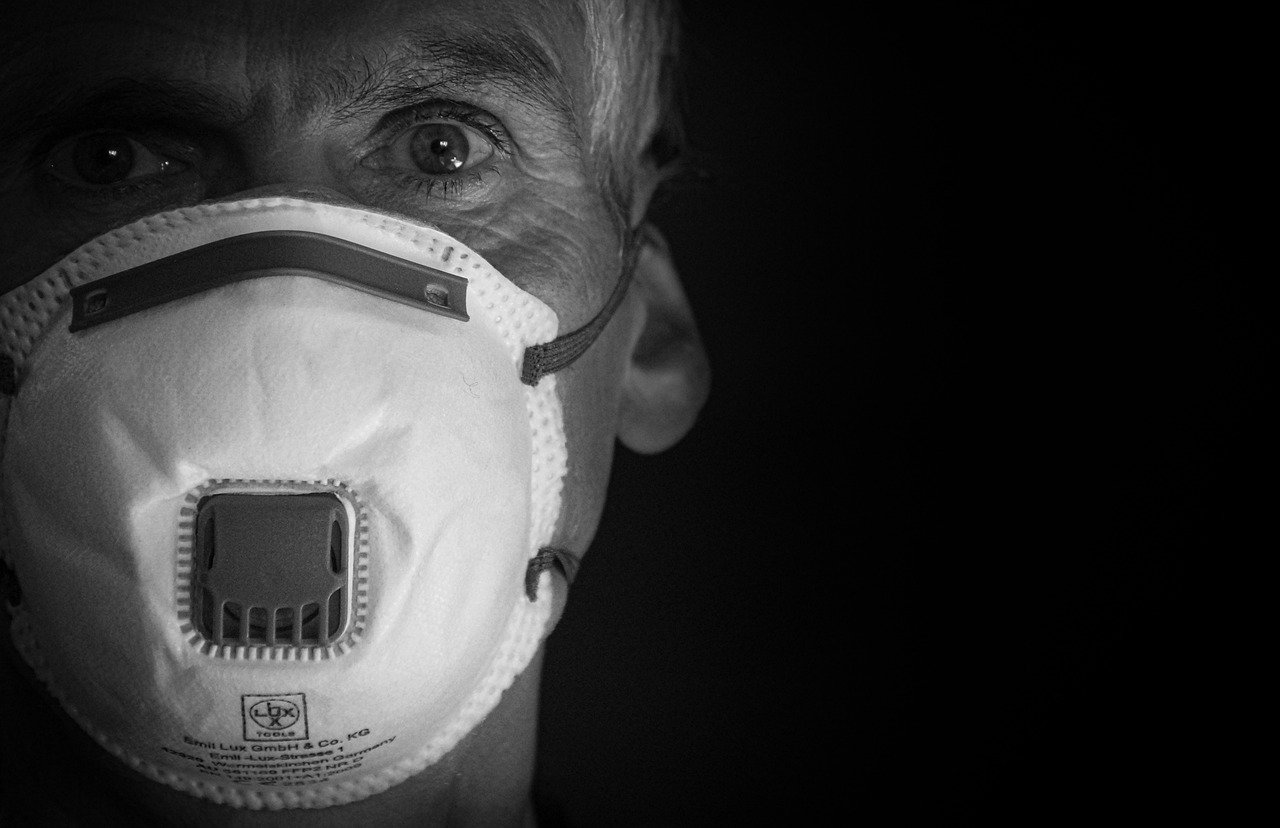
COVID mask
The crucifixion testifies that God isn’t “doing this”: God is suffering this with us.

This question was raised, sheepishly, by a friend who considers herself a progressive-thinking Catholic. She doesn’t imagine God as a big punishing dude on a throne, exacting vengeance for humanity’s crimes—which are considerable, when you think about it. She’s been thinking about it: counting ways that maybe we “deserve” a global reckoning. We destroy rainforests, fill oceans with floating continents of plastic, poison the soil, make the air unbreathable, contaminate freshwater with hazardous waste. We torture Creation to make a buck, while the gap between rich and poor widens. Honestly: why wouldn’t God “do this”?

It’s not a stupid question. It’s an ancient biblical question: is human suffering a measure of divine wrath? Is God “pleased to crush us with infirmity,” to restore balance to a celestial justice we’ve disregarded?

The biblical character of God does seem to exact justice by means of catastrophe: The expulsion of humanity from Eden. The great flood in Noah’s time. The ten plagues visited on Egypt. Israel’s trials in the desert due to relentless ingratitude. Babylonian exile. Sequential occupations by Assyria, Babylon, Persia, Egypt, Greece, Rome. The death of Jesus “for the sins of the world” can be viewed as ringing evidence that God expects satisfaction for offenses against divine justice. From this perspective, human suffering is the currency in which God is to be paid.

Some routinely see God’s wrath expressed in famine, war, and disease, as when half of Europe’s population died in the Black Death, or the 1918-1920 Spanish flu infected one in three people worldwide. AIDS has claimed 35 million lives and counting, causing some to point to divine judgment. Yet at least once a century, flu season results in a million deaths. The odds of getting cancer across a lifetime are roughly one in two for men, one in three for women.

The biblical story of Job objects to drawing clean lines between human guilt and periods of devastation. Job is just; why would God punish him? The book argues that the why of suffering is a mystery best left to God. The more meaning-laden question may be: when suffering comes, what will we make of it? Jesus refused to blame a blind man or his parents for this misfortune. The crucifixion testifies that God isn’t “doing this”: God is suffering this with us. The cross invites us to take all our pain and to consecrate it to God’s benevolent purposes. God redeems human misery and, indeed, saves the world. That’s a promise.

Scriptures: Genesis 3:1-24; 6:5-13; Exodus 7:14-11:10; Deuteronomy 11:26-32; Jeremiah 15:1-4; Isaiah 53:4-12; Book of Job; John 1:1-14; 9:1-40

Books: Job - Study Set, by Kathleen O’Connor, et.al. (Liturgical Press, 2012); Through the Dark Field: The Incarnation Through an Aesthetics of Vulnerability, by Susie Paulik Babka (Liturgical Press, 2017)


Reprinted with permission from PrepareTheWord.com. ©TrueQuest Communications.
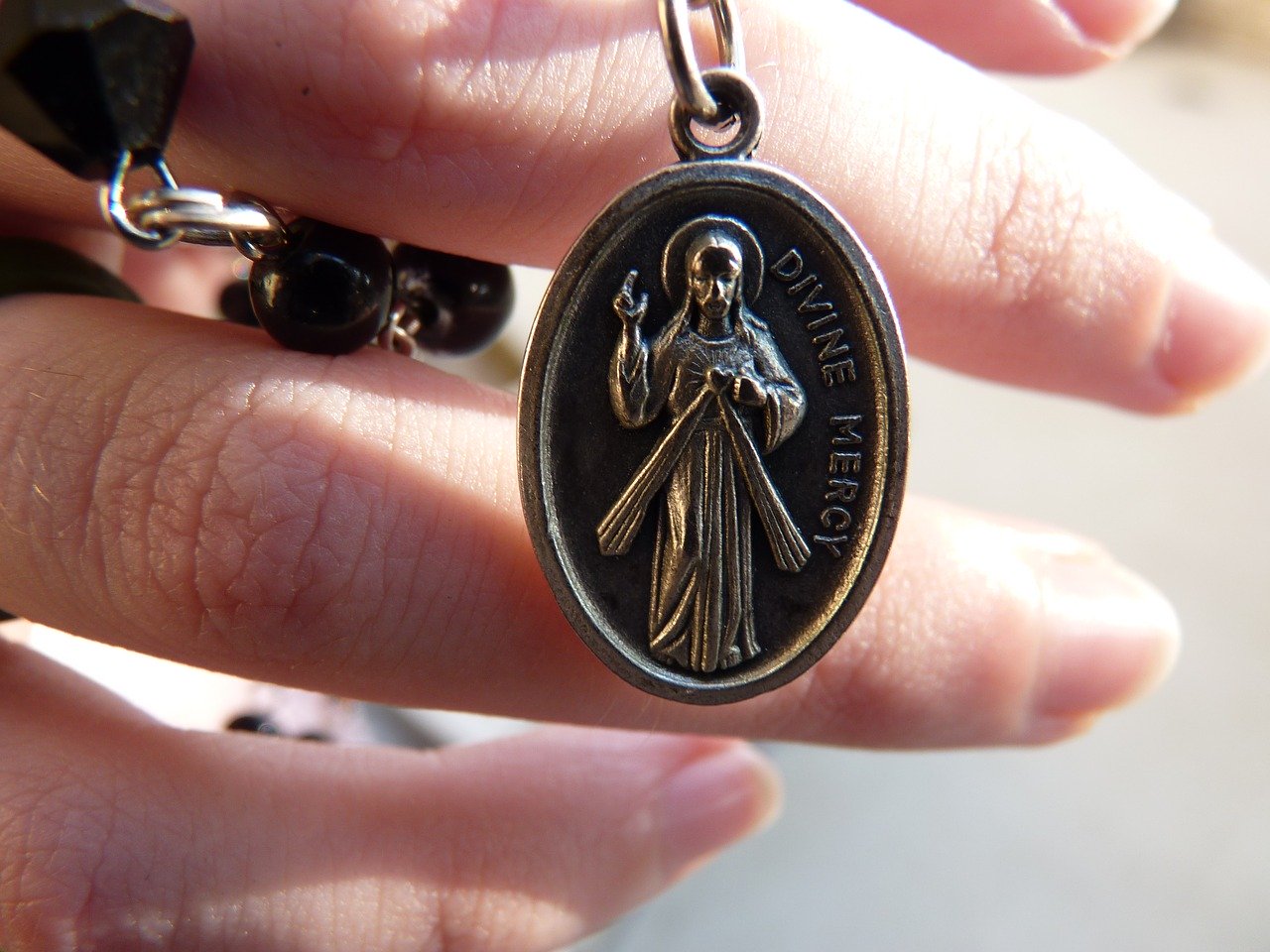
Site:  0 comments  -  Add your own comment  -  Follow my posts  -  Permalink Tags: sufferingpandemiccoronaviruscovid
Facebook:
Comments  

What should we do if we can't go to Mass?

Posted by: Alice L. Camille 🕔 Saturday 21, March 2020 Categories: Prayer and Spirituality,Doctrines & Beliefs,Blessed Virgin Mary and the Saints
rosary
Consider it an invitation to choose a devotion and Act of Spiritual Communion that enables you to stay connected  to the universal Body of Christ.

If Mass is suspended in your diocese due to COVID-19 or for other public safety concerns, there are other ways to observe the Fourth Commandment: Keep holy the Lord’s Day. Consider it an invitation to choose a devotion and Act of Spiritual Communion that enables you to stay connected to the universal Body of Christ. You might:

“Virtually” attend Sunday Mass on TV or online. Most dioceses have a Mass for shut-ins, a term that now applies to many of us under "stay at home” orders. The Paulist Fathers in Rome also have a user-friendly sing-along Mass in English uploaded weekly at YouTube. See www.stpatricksamericanrome.org for the current offerings on their home page.

Read and reflect on the Scriptures for Sunday available from the U.S. Bishops’ site: www.usccb.org/bible/readings/.

Make use of the church’s traditional Liturgy of the Hours by downloading the popular breviary app at www.ibreviary.org.

During this season of Lent, meditate on the Stations of the Cross or other spiritual practices.
See: https://bustedhalo.com/ministry-resources/25-great-things-you-can-do-for-Lent 

Or, pray five decades of the rosary, or make this the year you finally read your Bible—neither of which requires any technology.

Below are recommended prayers for an Act of Spiritual Communion when unable to participate in the Mass. Feel free to adapt them for personal or family needs!


ST. ALPHONSUS LIGUORI

My Jesus, I believe that you are present in the Most Holy Sacrament.
I love you above all things, and I desire to receive you into my soul.
Since I cannot at this moment receive you sacramentally, come at least spiritually into my heart.
I embrace you as if you were already there and unite myself wholly to you.
Never permit me to be separated from you.

Amen. 


ANIMA CHRISTI

Soul of Christ, sanctify me.
Body of Christ, save me.
Blood of Christ, embolden me.
Water from the side of Christ, wash me.
Passion of Christ, strengthen me.
O good Jesus, hear me.
Within thy wounds hide me.
Never permit me to be parted from you.
From the evil Enemy defend me.
In the hour of my death call me.
And bid me come to thee,
that with your saints I may praise thee
for age upon age.

Amen.


PRAYER OF POPE FRANCIS DURING THE PANDEMIC

O Mary, you always shine on our path as a sign of salvation and of hope. We entrust ourselves to you, Health of the Sick, who at the cross took part in Jesus’ pain, keeping your faith firm.

You, Salvation of Your People, know what we need, and we are sure you will provide so that, as in Cana of Galilee, we may return to joy and to feasting after this time of trial.

Help us, Mother of Divine Love, to conform to the will of the Father and to do as we are told by Jesus, who has taken upon himself our sufferings and carried our sorrows to lead us, through the cross, to the joy of the resurrection. Amen.

Under your protection, we seek refuge, Holy Mother of God. Do not disdain the entreaties of we who are in trial, but deliver us from every danger, O glorious and blessed Virgin. Amen.


Reprinted with permission from PrepareTheWord.com. ©TrueQuest Communications.


Shouldn’t churches stay open in times of crisis?

Posted by: Alice L. Camille 🕔 Saturday 21, March 2020 Categories: Church History
Church door
The church building as place of refuge and safety is contradicted in times of contagious disease.

In periods of social upheaval, the church has always been there for those who seek her. The idea of sanctuary is rooted in the idea that sacred spaces are universal safe houses for those in trouble. They’re also havens for sinners, the poor, and seekers of divine Presence. For these reasons, a Catholic church is consecrated territory, generally open to all comers and a welcome refuge in difficult times especially.

The church building as place of refuge and safety is contradicted in times of contagious disease, however. Where contagion is present, gathering is a dangerous thing to do. Not just for the individual, but for society altogether. This wasn’t understood in the Middle Ages during the era of plague, nor even in more recent centuries when waves of yellow fever or leprosy spread through port cities. While germ theory was proposed as early as the 11th century, and reintroduced periodically, it was largely dismissed until 1850 when Louis Pasteur did his research. Viruses were discovered in the 1890s. This better understanding of how disease spreads gives us many new tools with which to contain and defeat it.

The church isn’t exempt from the science of a pandemic. We exercise charity in acknowledging that, while Catholics are spiritually hardwired to seek the sacraments, especially in anxious times, what serves the common good is to consider the welfare of the whole community. Yes, I want access to sacraments; and I want the support of the community in faith. But there are other ways to do this besides gathering in a church building in these weeks when special caution benefits the world that God so loves.

Charity recommends we do what the saints did: enjoy “spiritual communion” until we have the privilege of the real thing. Mother Francis Cabrini took 37 sea voyages back and forth across the Atlantic during her missionary years. During those voyages, she and her sisters were without Mass or the sacraments for weeks or even months. She wrote often about this deprivation: “We believed we would arrive in time to celebrate the Feast of the Patronage of Saint Joseph; instead we have to spend it at sea, without Mass, without Communion…. Meanwhile, the view continually before our eyes, the work of the One whom we so much desire to receive into the small sanctuary of our souls, serves as preparation for a worthy Communion.”

Perhaps this time of austere fasting from even the consolation of the sacraments will prepare us for a more worthy communion soon.

Scripture: Matthew 10:27-32; 12:1-8; John 14:1-6; 15:1-5; 17:1-19

Books: To the Ends of the Earth: The Missionary Travels, by Francis X. Cabrini (Center for Migration Studies, 2001)

The Eucharist and the Hunger of the World, by Monika Hellwig (Sheed & Ward, 1992)


Reprinted with permission from PrepareTheWord.com. ©TrueQuest Communications.
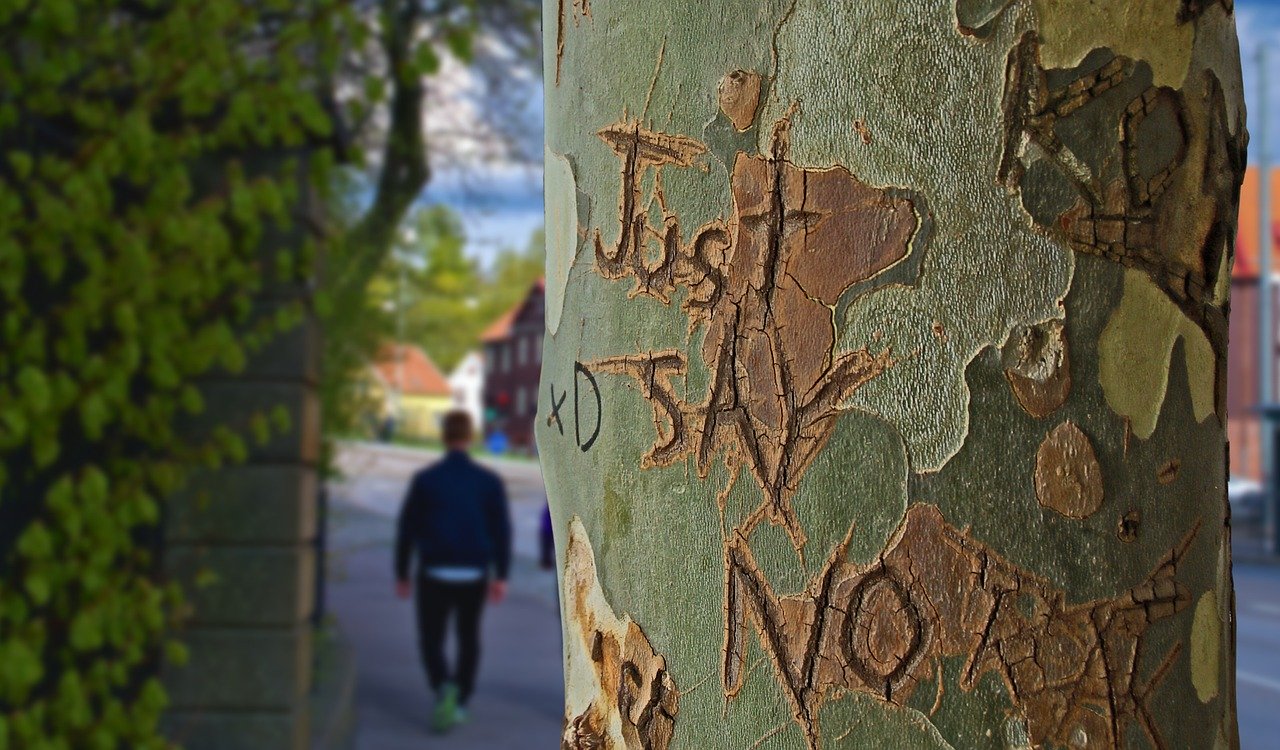
Site:  0 comments  -  Add your own comment  -  Follow my posts  -  Permalink Tags: pandemiccoronaviruscovid
Facebook:
Comments  

What is temperance and do we still need it?

Posted by: Alice L. Camille 🕔 Sunday 19, January 2020 Categories: Doctrines & Beliefs
Temperance
Temperance is one of four cardinal (“hinge”) virtues, along with prudence, justice, and fortitude. It refers to the development of self-control, which is the hallmark of the mature person.

The virtue temperance is often conflated with the Temperance Movement, a social phenomenon of the 19th-20th centuries. The movement decried consuming alcohol to the point of intoxication. Its adherents promoted moderation or, in some expressions, teetotalism: complete abstinence from liquor. The movement was fueled by some effects of drinking in the industrial age, including injury, crime, disease, death, and suicide. Churches took up the cause, as alcohol often had an adverse affect on families. Emerging religious groups, like the Seventh Day Adventists and Mormons, promoted teetotaling as a pillar of their teaching. Other groups sought to close saloons early, restrict sales, or increase taxes.

In 1920, the movement led to the legal measure of Prohibition in the United States. The Eighteenth Amendment banned the manufacture, sale, and distribution of alcohol across the nation. Other countries like Russia preceded the U.S. in prohibition, while Great Britain, Australia, New Zealand, Norway, Finland, Iceland, and Canada attempted selective restraints. By 1933, the U.S. was ready to repeal nationwide Prohibition with the Twenty-First Amendment. It was determined that making drinking essentially illegal had proved cumbersome to enforce, encouraged unhealthy drinking habits, fostered organized crime, and hurt the nation’s economy.

This history clouds the issue of what the virtue of temperance offers to those who practice it. Temperance is one of four cardinal (“hinge”) virtues, along with prudence, justice, and fortitude. It refers to the development of self-control, which is the hallmark of the mature person. Temperance is gained by educating one’s passions to orient habitually toward the good. Resisting temptations to indulge in over-eating, excessive drinking, casual sex, fits of rage, money lust, monopolizing conversations, aggressive displays of ego, or other unbridled exercises of desire isn’t enough to qualify one as a temperate person. Genuine temperance must lead a person to organize each choice toward a greater good.

So, while severe dieting may seem temperate, if it harms the health, it isn’t. Sexual abstinence to prove one’s personal righteousness would also not qualify. Withholding your anger and giving someone the silent treatment doesn’t resolve the argument. When the good choice also becomes the natural one, the virtue of temperance is on display. And yes: we still need it.

Scripture: Genesis 3:6; 9:20-21; Leviticus 10:8-11; Deuteronomy 21:20; Psalm 68:31; Proverbs 20:1, 3, 13, 21; 23:2-8, 19-35; 31:1-7; Sirach 18:30-33; 19:2; 23:6; 31:12-31; 37:27-31; Isaiah 5:8-16; 28:1-3, 7-9; 56:9-13; Daniel ch. 13; Matthew 11:18-19; Luke 12:16-21; Galatians 5:16-23

Books: Public Dimensions of a Believer’s Life: Rediscovering the Cardinal Virtues, by Monika Hellwig, (Sheed & Ward: 2005)

The Virtue Driven Life, by Benedict Groeschel, CFR (Our Sunday Visitor, 2006)


Reprinted with permission from PrepareTheWord.com. ©TrueQuest Communications.
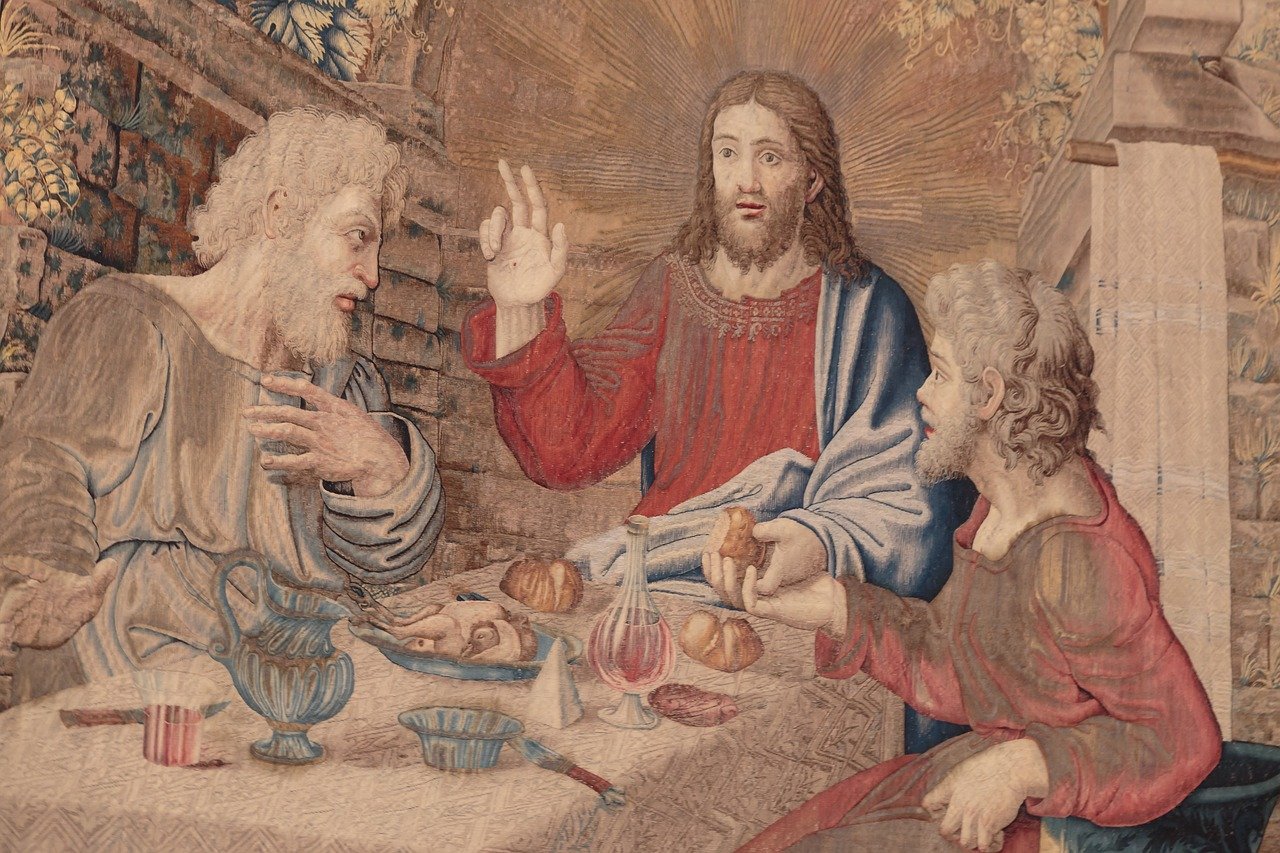
Site:  0 comments  -  Add your own comment  -  Follow my posts  -  Permalink Tags: virtuetemperance
Facebook:
Comments  

When we give a blessing, what do we actually do?

Posted by: Alice L. Camille 🕔 Sunday 19, January 2020 Categories: Doctrines & Beliefs,Prayer and Spirituality
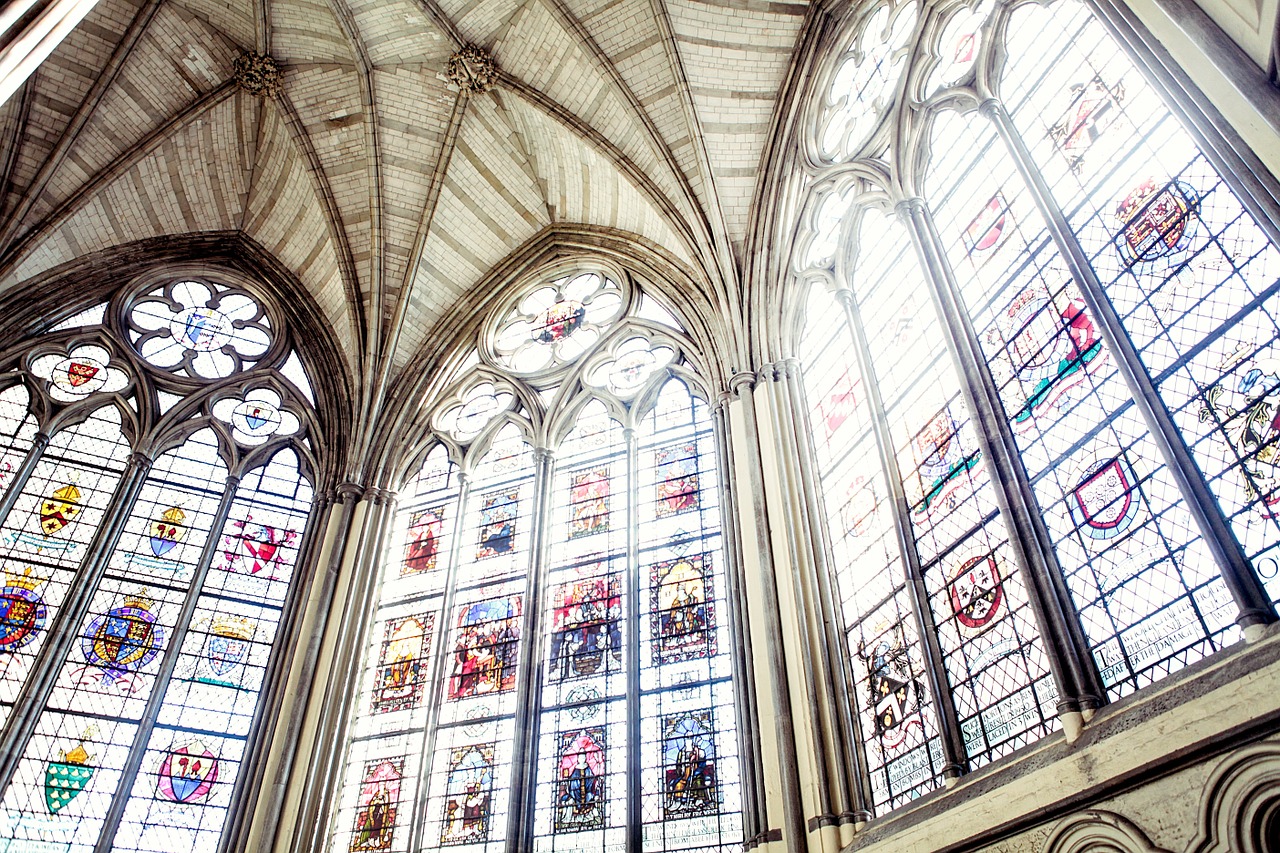
Jesus at the Emmaus supper
Jesus demonstrates blessing activity in the miracle of loaves and fishes, at the Last Supper and the Emmaus supper, and at the moment of his Ascension.

Since blessings are delivered during solemn liturgies but also after the most mundane sneeze, one might wonder what a blessing involves. Biblically, a blessing communicates divine life to the recipient. Which implies that God alone can supply a blessing. God blesses us with strength, peace, success, children, and every good thing. When a representative of God performs the blessing act, it’s God’s blessing and not a personal bounty that s/he invokes.

Creatures are first blessed as they’re launched in Genesis. The seventh day, on which God rests, becomes a source of blessing itself. Patriarchs are each blessed and bestow blessings in turn. The tribe of Abraham becomes a fulcrum of blessing on earth, and Israel a vehicle of blessing for all the nations.

Blessings may literally flow from one person to another with the imposition of hands between fathers and sons. (There are no biblical stories of mothers blessing daughters, but I know plenty of women who do.) Once a blessing is spoken, it can’t be undone—which is what makes the story of Jacob cheating his brother Esau of his paternal blessing so tragic and impactful. These examples convey the seriousness of the blessing act: it’s not magic, but it is real and vital.

While it’s clear the power to bless originates with God, in the psalms we’re urged to “bless the Lord” frequently. In what capacity might we bless God? The intent is to offer thanks or to recognize God’s glory. In “blessing the Lord” we don’t add to God in the same way that God adds to our welfare in the act of blessing. 

Jesus demonstrates blessing activity in the miracle of loaves and fishes, at the Last Supper and the Emmaus supper, and at the moment of his Ascension. Jesus also taught that we should answer each curse pronounced on us with a blessing: crossing the streams of bad intent with benevolence, we might say. Paul compares the church’s Eucharist with the blessing cup of Jewish rituals. Finally, it helps to remember that Mary of Nazareth was called “blessed among women” by Elizabeth, and claimed that blessing in her Magnificat.

All of which may give us pause the next time we casually “bless ourselves” with the Sign of the Cross. What aspect of divine blessing do we need, and what do we hope to receive?

Scripture: Genesis 1:22, 28; 2:3; 12:2-3; 27:18-40; 32:27-29; 39:5; Numbers 6:22-27; chs. 22-23; Isaiah 19:24; Matthew 14:19; Mark 14:22; Luke 1:42, 48; 6:28; 24:30, 50-51; 1 Corinthians 10:16

Books: The Priestly Blessing: Rediscovering the Gift, by Stephen Rossetti (Ave Maria Press, 2018)

Blessed Beautiful, and Bodacious: The Gift of Catholic Womanhood, by Pat Gohn (Ave Maria Press, 2013)


Reprinted with permission from PrepareTheWord.com. ©TrueQuest Communications.
Site:  0 comments  -  Add your own comment  -  Follow my posts  -  Permalink Tags: blessing
Facebook:
Comments  

Does the church teach pacifism?

Posted by: Alice L. Camille 🕔 Thursday 26, December 2019 Categories: Doctrines & Beliefs,Pope Francis
In 2018, a tweet by Pope Francis exploded in cyberspace: “Do we really want peace? Then let’s ban all weapons so we don’t have to live in fear of war.” The Pope was derided for “hippie eco-pacifism” and his naïve “ark of fraternity.” The world’s a cruel place, naysayers asserted. Weapons keep what little peace is left intact. 

Historically, Christians held two main traditions regarding conflict: pacifism and just war theory. Originally, Christians refused to fight for the empire. They stood down if they converted to Christianity while soldiers. Saint Martin of Tours was the poster child for all who chose to follow Christ and no earthly commander. Mennonites, Quakers, and Brethren persist in this stance, while insisting that pacifism is not passivity. Rejecting the logic of war, Christian pacifism actively pursues non-violent solutions to social and international conflicts. Even the ark of fraternity recognizes that abstainers are sitting ducks without strong creative engagement.

Under Constantine, Christianity became a state religion, creating confusion. Not following a pagan king into battle made sense; how about a Christian monarch? A church-state partnership meant rulers now expected a blessing on their wars. Saint Augustine posited that Christians might fight in a just war. He left the defining of terms to Thomas Aquinas. 

Aquinas sought to restrict war. First, violence can be waged only by the proper authority. Also, the purpose must be just: national interest is insufficient. Thirdly, peace must be the goal of every soldier. Students of Aquinas added that violence must be the last resort. War was permissible in self-defense. The means must be proportionate. A just fight loses legitimacy if civilians or hostages are harmed. 

The position of “just peace” was ventured by Pope John XXIII (Pacem in Terris, 1963). Peace is more than the absence of war, he argued; it’s grounded in the justice that sustains peace. Recent popes have questioned if proportionality is possible in a world with doomsday weapons. Pope Paul VI, in his 1965 speech at the U.N., declared: “Never again war, never again war! It is peace, peace, that has to guide the destiny of the nations!” Pope John Paul II hoped the world would learn to “fight for justice without violence.”

On the 50th World Day of Peace, Pope Francis described humanity as “engaged in a horrifying world war fought piecemeal”—through war, terrorism, crime, violence against women and children, abuse of migrants, human trafficking, and environmental devastation. The pope recommended: abolishing nuclear weapons, an ethic of fraternity, the will to resolve conflict diplomatically, and a commitment to active peace-building at every level.

Scripture: Isaiah 2:2-5; Micah 4:1-4; Proverbs 8:15-16; Psalm 118:8-9; 146:3-4; Matthew 5:9; 38-48; Romans 13:1-4; Ephesians 4:23; 6:10-17; 1 Peter 2:13-17

Books: I’d Rather Teach Peace, by Colman McCarthy (Orbis Books, 2008); Jesus Christ, Peacemaker: A New Theology of Peace, by Terrence J. Rynne (Orbis Books, 2014)


Reprinted with permission from PrepareTheWord.com. ©TrueQuest Communications.

Site:  0 comments  -  Add your own comment  -  Follow my posts  -  Permalink Tags: peacepacifism
Facebook:
Comments  

If Jesus is God, isn’t his humanity a form of play-acting?

Posted by: Alice L. Camille 🕔 Thursday 26, December 2019 Categories: Doctrines & Beliefs
Sooner or later, religious seekers ask this question. Being divine does seem to give Jesus a celestial advantage that puts him in a whole different category from the rest of us. In fact, our creed confirms his distinctness. Jesus is “God from God, light from light, true God from true God, begotten not made, one in being with the Father.” These statements are variant ways of saying Jesus shares the essence of the one he calls Father, who is the source of life and all that is.

Does this mean the sinless life and brutal death of Jesus is, in reality, a mirage? It seems contradictory to claim, as Christians do, that Jesus is truly God and truly human. One cancels out the other, since God is eternal, while mortals suffer and die. Divinity enjoys special super-natural powers over creation, whereas humans are subject to the laws of space and time and endure significant limitations.

One way to reconcile these opposing natures is through the concept of kenosis, or self-emptying. Saint Paul is the first to take this approach in the Hymn to Christ quoted in the letter to the Philippians. It’s unclear if Paul wrote this hymn or simply refers to it. But it describes how Jesus, who’s in the form of God, chooses not to cling to his privilege. Instead, Jesus empties himself of favored status and commits to the human condition. He doesn’t cease to be divine, but he elects to embrace mortal existence.

Consider a missionary from the U.S. who chooses to go live in the developing world. She may spend the rest of her life, privileged education, and talent in bringing her advantages to a community that can’t even dream of them. While the missionary never ceases to be a person of privilege who could easily make a phone call and be swooped away from human misery, she elects not to make that call. Such a person may well be martyred in her chosen land, subject to the same dangerous forces that claim the lives of those with whom she has cast her lot.

Is the missionary’s sacrificial life a mirage? Is her violent death mere play-acting? When Jesus chooses to be incarnate in our humanity, the stakes are real. Kenosis is the kind of self-emptying we can all make, of whatever privileged status we enjoy, for the sake of others.

Scripture: Genesis 1:26-27; 3:5-6; Isaiah 52:13—53:12; Matthew 26:39; John 1:1-5, 14; 10:17-18; 17:5; Romans 8:3-13; 2 Corinthians 8:9; Galatians 4:4-7; Philippians 2:5-11; Colossians 2:9; Hebrews 1:1-4; 2:16-18; 5:8-10; 12:2

Books: Jesus Our Brother: The Humanity of the Lord, by Wilfred Harrington, O.P. (Paulist Press, 2010); The Disciples’ Jesus by Terrence Tilley (Orbis Books, 2008)


Reprinted with permission from PrepareTheWord.com. ©TrueQuest Communications.
Site:  0 comments  -  Add your own comment  -  Follow my posts  -  Permalink Tags: incarnation
Facebook:
Comments  

Who are the Fourteen Holy Helpers?

Posted by: Alice L. Camille 🕔 Sunday 13, October 2019 Categories: Church History,Blessed Virgin Mary and the Saints
Church
The Holy Helpers became an established set during the Black Plague epidemic of Europe.

You see them in art, though you may not know their names. The Helpers were a collection of saints from antiquity popularly invoked in 14th century Germany. These individuals weren’t linked by history or geography; like, say, Saint Charles Lwanga and companions, martyred together in Uganda. The Holy Helpers became an established set during the Black Plague epidemic of Europe—since, presumably, the more intercessors you have against plague, the better.

Alphabetically, the Fourteen Holy Helpers are: Achatius, Barbara, Blaise, Catherine of Alexandria, Christopher, Cyriacus, Denis, Erasmus, Eustachius, George, Giles, Margaret of Antioch, Pantaleone, and Vitus. Only half the saints on this list are passably familiar today.

The symptoms of plague influenced the selections for this club. A plague victim could expect the following: blackened tongue, parched throat, violent headache, fever, and boils on the abdomen. Victims became delusional and died within hours. The furious onset of plague made it unlikely the afflicted would have final sacraments. Just another reason to have the Holy Helpers in your corner.

The chaos that plague evoked was comprehensive. Animals died, whole towns perished, the social order collapsed. So why not invoke Saint Blaise, still acclaimed for his work on ills of the throat; or Saints Achatius and Denis, both patrons of headache sufferers? Saint George protected domestic animals, and Saint Erasmus guarded abdominal health. Saint Eustachius was good for family trouble, and Saint Giles the go-to guy for plague and a good confession. Saints Barbara, Catherine, and Christopher were patrons in instances of sudden death. In addition Christopher, the traveler’s saint, also warded off plague. 

Just for good measure, Saint Pantaleone protected physicians, and Saint Margaret promised safe childbirth. Since Saint Vitus is the patron of epileptics, it appears plague victims’ eventual irrationality was lumped in with the symptoms of another disorder poorly understood. The most curious name on the Helpers list is Cyriacus, invoked against temptation. In times of epidemic, looting was rampant and desertion by family members common. One might well be tempted under such conditions.

While the Fourteen Holy Helpers still have a following in Europe, only one parish in the United States is named for their contribution today. We might wonder: if we were to choose a pack of saints as guardians for our times, who would those helpers be?

Scriptures: Psalm 27; Romans 8:18-27; Hebrews 5:7; 7:25; Ephesians 6:18; James 5:13-18

Books: The Fourteen Holy Helpers, by Bonaventure Hammer, OFM (TAN Books, 2009)

Fearless: Stories of the American Saints, by Paul Boudreau and Alice Camille (Franciscan Media, 2014)


Reprinted with permission from PrepareTheWord.com. ©TrueQuest Communications.

Site:  0 comments  -  Add your own comment  -  Follow my posts  -  Permalink Tags: saintsholy helpersplague
Facebook:
Comments  

Are parishes necessary?

Posted by: Alice L. Camille 🕔 Sunday 13, October 2019 Categories: Doctrines & Beliefs,Church History
Church
While the gathering was essential to becoming the Body of Christ, registering for membership and weekly envelopes wasn’t the point.

Christianity existed well before the present parish system. Before there was a church building on the corner—with its Mass schedule, programs, pastor, and support staff—the followers of Jesus still managed to preach the gospel and share Eucharist. So technically, the answer is no: the parish structure as we know it is not essential. But if by parish you mean a defined and stable community that assembles for worship and embraces a certain responsibility for one another, the answer is yes: such a community is vital to the fabric of Christian life. 

It’s helpful to distinguish Christian faith from an individual spiritual practice. The goal of Christianity isn’t personal enlightenment, getting your act together, or building a satisfying moral ethos. From the beginning, Jesus chose to gather a community of disciples to live with him, share resources in common, and learn his teachings. There was never a time when Christian life was envisioned as a set of principles to live by that could be adopted and practiced on your own terms. From the first generation of the church, believers met in each other’s homes, prayed together, and shared what they had with those in need.

The gospel teaches how to live responsively with others. Loving our neighbors and enemies too, forgiving offenses, welcoming strangers, caring for the unfortunate—we engage these actions in service of others. Our faith is proven out by how we treat others. “Faith without works is dead,” says the Letter of James. Onlookers of the early community could rightfully say: “See how these Christians love one another.” No one was ever quoted as saying: “See how these Christians go to church.” While the gathering was essential to becoming the Body of Christ, registering for membership and weekly envelopes wasn’t the point.

The pre-parish house churches were more intimate, and perhaps more attractive, than today’s sprawling parishes which can feel alienating especially to newcomers. Meeting in homes was also necessary for a community that was vaguely suspect—and that dove into the catacombs when later judged to be outright criminal. Public worship, in buildings established for this purpose, was the gift (and in some ways the curse) of Christianity’s legality under Emperor Constantine in the 4th century. As the nature of community in our media age is transformed, how we are church tomorrow will doubtless evolve too.

Scriptures: Matthew 4:18-22; 25:31-45; 26:26-28; Luke 24:13-35; John 15:11-17; 18:20-26; Acts 2:42-47; 4:32-35; 1 Corinthians 12:1—13:13; Ephesians 3:14-22; 4:1-16; James 2:14-18; 1 Peter 2:4-5

Books: We Are All One: Unity, Community and Commitment to Each Other, by Joan Chittister, O.S.B. (Twenty-Third Publications, 2018)

A New Way to Be Church: Parish Renewal from the Outside In, by Jack Jezreel (Orbis Books, 2018)


Reprinted with permission from PrepareTheWord.com. ©TrueQuest Communications.

Site:  0 comments  -  Add your own comment  -  Follow my posts  -  Permalink Tags: parishchurch
Facebook:
Comments  

Isn’t it a sin to vow something for life to God and then break it? Don’t fully professed sisters sin if they leave their order?

Posted by: Alice L. Camille 🕔 Tuesday 10, September 2019 Categories: Doctrines & Beliefs,Vocation and Discernment
Vows
Religious persons released to the lay state remain baptized Catholics in good standing.

“A vow is a deliberate and free promise made to God concerning a possible and better good which must be fulfilled by reason of the virtue of religion.” So says The Code of Canon Law (CCC 1191). Another section outlines rules for taking public religious vows (CCC 654-658). Yet just as God is merciful, the church must also be merciful. Which is why Canon Law includes a process known as dispensation to relieve a person from such vows (see CCC 85-93). Dispensation is “the relaxation of a merely ecclesiastical law in a particular case” (CCC 85).

Church law is flexible when applied to individuals and specific cases. The law recognizes that human circumstances aren’t static; therefore, some changes receive the favor of the law’s flexibility. For a just cause, a religious sister or brother may request and receive dispensation from solemn or perpetual vows. “Just cause” may be a grave or debilitating difficulty fulfilling the requirements of religious life. No penalty is exacted for being released from perpetual vows. In no way does it remove the person's right of access to the sacraments. Religious persons released to the lay state remain baptized Catholics in good standing.

No shadow of sin is attached to the request for dispensation from solemn vows. Dispensation is offered under the grace and peace of Jesus—who gave Peter the keys of the Kingdom as a symbol of the church’s authority “to bind and to loose.” If a religious person is released from vows on earth, s/he is also assured such release in the sight of God.

To remain in good standing with the Church, a person seeking dispensation must follow the procedure of release from religious life. The dispensation must be sought from the “competent authority”: the major religious superior or bishop in some cases, the pope in others. Once a sister or brother has prayerfully discerned to leave religious life, the order or congregation is obliged to do everything possible to assist in requesting the dispensation. The order or congregation is also required to help the person financially in the transition to lay life.

Scripture has lots to say about taking vows—and breaking them. People are weak and prone to err. Therefore Jesus considers that vows and oaths should be made only sparingly. Thank God that mercy is given to those who show mercy!

Scripture: Genesis 28:20 (first vow); Leviticus 22:20-25 (unfulfilled with imperfect sacrifice); 27:2, 8 (require adjustment); Numbers 6:1-21 (binding for a time); Numbers 31 (women’s vows: inferior?); Deuteronomy 23:22-24; Judges 11:29-39 (keeping an illicit vow); Ecclesiastes 5:1-6; Matthew 5:33-37

Books: Religious Life at the Crossroads, by Amy Herford, CSJ (Orbis Books, 2014)

A Different Touch: A Study of Vows in Religious Life, by Judith Merkle, SNDdeN (Liturgical Press, 1998)


Reprinted with permission from PrepareTheWord.com. ©TrueQuest Communications.

Site:  0 comments  -  Add your own comment  -  Follow my posts  -  Permalink Tags: religious lifevows
Facebook:
Comments  

SOCIALIZE

Follow Us

CALENDAR

Click on a date below to see the vocation events happening that day!